Direct factory supply, CKD/SKD assembly options, EEC/DOT homologation ready, engineered specifically for rigorous daily commercial operations.
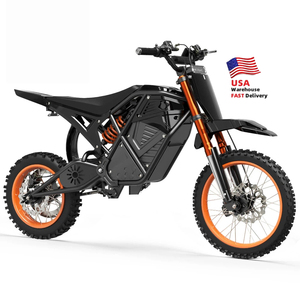
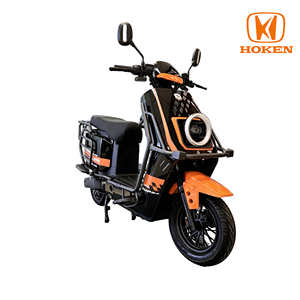
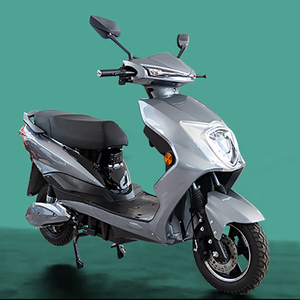
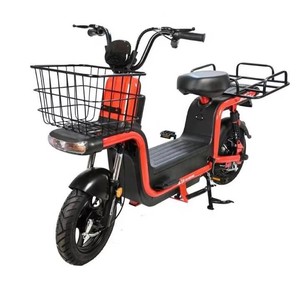
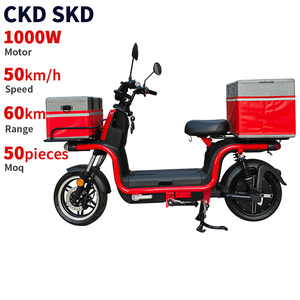
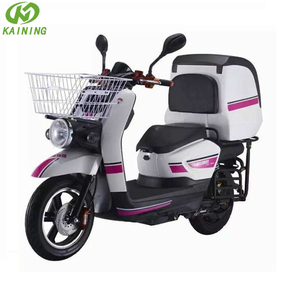
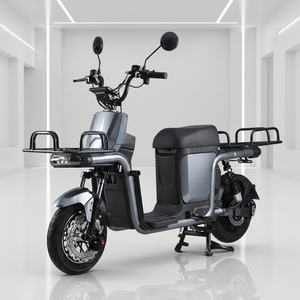
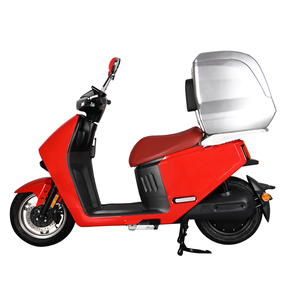
The global last-mile delivery and urban logistics landscape is undergoing an unprecedented structural transition. Accelerated by stringent municipal carbon emission regulations (such as Low Emission Zones across Europe and Asia-Pacific), soaring liquid fuel volatility, and e-commerce expansion, global fleet operators are rapidly phasing out internal combustion engine (ICE) mopeds in favor of commercial-grade electric motorcycles.
Choosing a reliable delivery electric motorcycle factory and exporter is no longer simply about unit purchase price. Modern B2B procurement strategies evaluate whole-of-life cost management, structural durability under continuous high-payload usage, component standardization, and global regulatory compliance (including European EEC L1e/L3e and North American DOT standards).
Key Strategic Takeaway for Importers: Transitioning to electric delivery fleets yields an average Total Cost of Ownership (TCO) savings of 40% to 55% over a 3-year operational window. Reduced brake pad wear via regenerative braking, zero engine oil maintenance, and electricity price stability form the foundation of this economic advantage.
This industry whitepaper explores the critical engineering standards, manufacturing capabilities, battery chemistry evolutions, and global supply chain frameworks required when sourcing delivery electric motorcycles directly from top-tier original equipment manufacturers (OEMs).
Rooted in high-precision automotive engineering and European-inspired design philosophies (drawing inspiration from French design houses and advanced zero-emission mobility initiatives), leading electric motorcycle factories combine sleek aesthetics with industrial-grade heavy-duty performance.
Frames engineered from high-tensile carbon steel and lightweight aluminum alloys. Designed to absorb high vibratory stresses with rear payload capacities exceeding 150 kg for commercial cargo boxes.
Custom Battery Management Systems (BMS) with CAN-BUS integration monitoring cell voltage balance, thermal runaway protection, over-current prevention, and real-time state-of-charge (SoC) telematics.
Optimized Knock-Down shipping solutions (Complete Knock-Down and Semi-Knock-Down) that maximize container space utilization by up to 300%, reducing per-unit import tariffs and shipping freight costs.
Comparing electric motorcycle platform specifications allows fleet directors and distributors to match localized terrain, range requirements, and speed regulations effectively.
| Platform Category | Motor Wattage | Battery Configuration | Top Speed | Max Range | Primary Use Case |
|---|---|---|---|---|---|
| Light Urban Moped | 600W – 1000W Hub | 48V 20Ah – 30Ah Lithium | 35 – 45 km/h | 50 – 65 km | Inner-city dense food delivery & postal routes |
| Mid-Duty Express | 1500W – 2000W Hub/Mid | 60V/72V 32Ah Lead/Li | 50 – 65 km/h | 70 – 90 km | Suburban courier services & grocery fulfillment |
| Heavy Cargo Commercial | 3000W – 4000W Mid-Drive | 72V 75Ah Automotive LiFePO4 | 70 – 90 km/h | 120 – 160 km | Inter-city heavy parcels, dual-rider, hilly terrain |
The global trend in last-mile delivery is shifting away from static plug-in charging toward 30-second battery swapping systems. Manufacturers are increasingly standardizing battery pack dimensions, connector pinouts (e.g., Choke-style or heavy-duty Chogori connectors), and communication protocols to enable seamless interaction with third-party battery swapping cabinets in major urban centers.
Modern commercial e-motorcycles are equipped with integrated 4G/GPS telematics control units (TCU). These units transmit continuous vehicle diagnostic data to centralized fleet management portals, monitoring parameters such as real-time vehicle location, battery health degradation, aggressive riding alert telemetry, remote lock/unlock capabilities, and predictive maintenance scheduling.
While Nickel Manganese Cobalt (NMC) batteries offer superior energy density for long-distance commuter models, Lithium Iron Phosphate (LiFePO4 / LFP) has emerged as the preferred choice for commercial delivery fleets due to its exceptional thermal stability, non-combustibility, and extended cycle life (exceeding 2,500 full depth-of-discharge cycles).
Delivery riders often spend 8 to 12 hours daily on their vehicles. Specialized OEM factories are focusing on ergonomic seat cushions, heavy-duty rear hydraulic shock absorbers, integrated front cargo baskets, waterproof IP67 motor enclosures, and dual-battery hot-swappable bays built directly into low-center-of-gravity step-through frames.
Expert insights addressing key regulatory, technical, and supply chain questions from global buyers.
Complete Knocked Down (CKD) means the motorcycle is fully disassembled into raw components (frame, wiring harness, motor, plastics). This maximizes container load capacity (often fitting 180-250 units in a 40HQ container) and frequently qualifies for lower import tariff rates in countries supporting local assembly plants. Semi-Knocked Down (SKD) involves shipping pre-assembled major sub-assemblies (e.g., front wheel removed, handlebars folded), allowing for rapid 15-minute final assembly at the destination store with standard tools.
Reputable manufacturing exporters provide official type-approval certificate documents issued by authorized European bodies (e.g., RDW in Netherlands, TÜV in Germany) for EEC L1e/L3e road legality. For the United States, manufacturers must register their VIN manufacturer code with the NHTSA/DOT. Always request matching test reports for UN38.3 (battery transport safety), MSDS, and CE directives (EMC test report for electromagnetic compatibility).
High-grade Automotive-grade NMC batteries typically offer 800 to 1,200 charge cycles before capacity degrades to 80% of original rating. Commercial LFP (Lithium Iron Phosphate) battery packs provide 2,000 to 3,500 cycles. For a delivery vehicle completing one full charge cycle per day, an LFP battery system will reliably operate for 5 to 7 years without significant range drop.
Yes. Leading OEM factories offer extensive custom studio options. Buyers can specify custom Pantone color matching, private-label silk-screen branding, reinforced rear rack luggage mounts tailored to delivery insulated boxes (like UberEats or Deliveroo dimensions), dual-battery conversion harnesses, and specialized IoT telematics hardware installation during production line assembly.
Professional export suppliers usually provide a 12 to 24-month manufacturer warranty covering core components (motor, electronic controller, frame, and battery pack). For bulk container orders, factories typically include 1% to 2% complimentary wear-and-tear spare parts (such as brake pads, throttle assemblies, turn signals, and relays) to support localized immediate maintenance services.
Connect directly with our engineering team to request wholesale pricing, technical catalog specifications, or customized OEM/ODM CKD project consultation.
