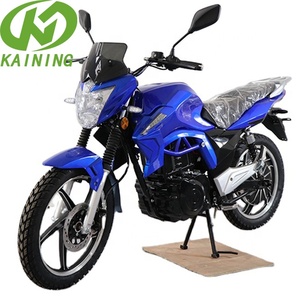
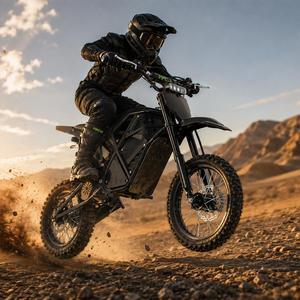
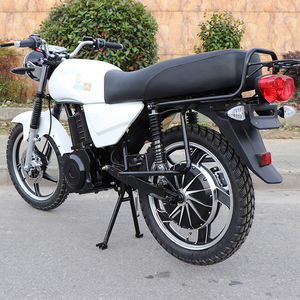
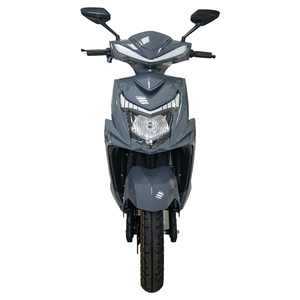
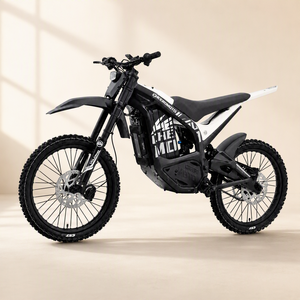
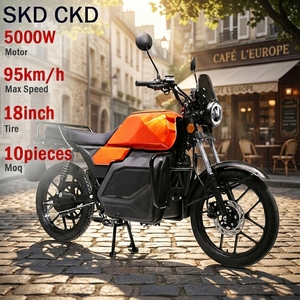
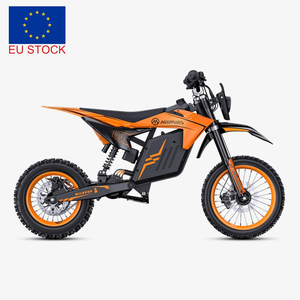
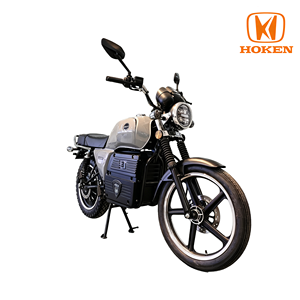
Explore market-tested street-legal electric motorcycles, supermotos, and high-torque off-road models engineered by China's leading OEM exporters. Fully certified for EU and US markets.
The global light electric vehicle (LEV) sector is undergoing a structural transition. Fixed battery setups—once dominant due to lower structural manufacturing costs—are rapidly giving way to swappable, removable lithium-ion battery modules. Driven by dense urban living, limited street-side charging infrastructure in Western markets, and strict safety protocols regarding indoor garage charging, commercial buyers and individual riders alike now demand total modularity.
China has solidified its position as the world's primary industrial cluster for electric two-wheelers, leveraging a complete supply chain ecosystem spanning raw lithium processing (CATL, Gotion, EVE Energy), smart Battery Management System (BMS) software development, high-torque PMSM/QS hub motor manufacturing, and vehicle assembly clusters across Jiangsu (Wuxi), Zhejiang (Taizhou), and Guangdong.
For global importers, B2B fleet operators, dealership networks, and white-label brand owners, partnering with top-tier Chinese e-motorcycle suppliers offers unprecedented OEM/ODM flexibility. Modern Chinese factories do not merely assemble parts; they engineer custom vehicle platforms tailored to local road homologations, including European EEC/COC (L1e-B up to L3e-A2 categories) and US DOT/EPA safety standards.
Evaluating a reliable removable battery e-motorcycle factory requires auditing their internal battery manufacturing standards and electromechanical engineering capabilities.
Leading factories utilize Grade-A 21700 or 18650 Ternary Lithium (NMC) cells offering superior gravimetric energy density (up to 240 Wh/kg), essential for lightweight sports models (e.g., 72V 35Ah - 50Ah packs). Conversely, Lithium Iron Phosphate (LiFePO4) is engineered for commercial fleet delivery mopeds prioritizing thermal stability and extreme lifespan (3,000+ cycle life at 80% DoD).
Top-tier Chinese suppliers integrate intelligent Battery Management Systems equipped with CAN-Bus 2.0B communication protocols. This enables real-time communication between the battery pack, FOC sinusoidal controller, and digital TFT display—monitoring cell voltage balancing, over-charge/discharge protections, and active thermal management thresholds.
A critical point of failure in low-quality e-motorcycles is connector pitting caused by high current draw during rapid acceleration. Premium manufacturers implement silver-plated copper solid pins, anti-sparking pre-charge resistors, and heavy-duty IP67 waterproof quick-docking connectors capable of withstanding 100A+ continuous discharge currents.
Stay ahead of global regulatory changes and technology shifts when specifying custom e-motorcycle orders with Chinese OEMs.
| Vehicle Class / Category | Typical Motor Specification | Battery Configuration | Target Speed & Range | Key OEM Application |
|---|---|---|---|---|
| City Commuter Moped (L1e-B) | 1000W - 3000W Hub Motor | 48V 24Ah - 60V 32Ah Removable Single Pack | 45 km/h limit | 60 - 80 km Range | Urban Shared Mobility & Last-Mile Delivery |
| Supermoto & Enduro Dirt (L3e) | 3500W - 4500W Mid-Drive / Belt | 48V 35Ah - 72V 35Ah High-C-Rate Pack | 80 - 85 km/h | 70 - 90 km Range | Recreational Off-Road & Young Adult Urban Sport |
| Heavy Touring & Vintage Cruiser | 5000W - 6000W High Peak Motor | 72V 50Ah Dual Parallel Removable Packs | 95 km/h+ | 100 - 130 km Range | Highway Commuting & Premium Dealer Showrooms |
European regulatory frameworks (such as the EU Battery Regulation 2023/1542) are pushing toward standardized physical dimensions and communication protocols for swappable batteries. Forward-thinking Chinese factories are designing standardized form-factor batteries compatible with universal cabinet stations.
Modern B2B fleets require complete visibility over battery state of health (SOH), geographic location, and thermal status. Chinese OEMs now offer integrated ECU/IoT modules with 4G GPS, remote geofencing, over-the-air (OTA) firmware updates, and anti-theft battery locking mechanisms directly accessible via mobile app or fleet dashboard.
The market is transitioning rapidly from traditional 48V/60V systems to 72V and 96V architectures. Higher voltage reduces current draw (I²R thermal losses), allowing e-motorcycles to achieve sustained high speeds (95-110 km/h) without overheating the removable battery connectors or motor windings.
Understanding the core competitive advantages of established Chinese e-motorcycle manufacturing facilities.
From CNC frame geometry prototyping and custom plastic injection molding to proprietary controller firmware tuning and bespoke branding decals, leading suppliers provide turn-key product customization tailored to your brand's unique market positioning.
Export-grade manufacturing plants feature automated SMT battery board soldering, chassis vibration stress test rigs, waterproof rain-testing chambers, and chassis dynamometers to verify speed, acceleration curves, and braking efficiency under simulated real-world conditions.
Navigating international import regulations requires flawless documentation. Tier-1 Chinese suppliers hold comprehensive homologations including European Union EEC / COC (L1e/L3e), US DOT registration, CE compliance, and UN38.3 + MSDS transport safety certifications for lithium batteries.
Expert answers addressing critical technical, regulatory, and logistical questions for global importers and distributors.
Top-tier Chinese e-motorcycle manufacturers partner with accredited European testing bodies (such as TÜV Rheinland, Luxcontrol, or VCA) to obtain Whole Vehicle Type Approval (WVTA) certificates. Under L1e-B (45 km/h mopeds) or L3e (high-speed motorcycles), vehicles undergo rigorous testing including electromagnetic compatibility (EMC), lighting angle standards, braking system efficiency (CBS or ABS), and structural chassis integrity. Upon purchase, importers receive official Certificate of Conformity (COC) papers containing matching VIN numbers for seamless registration in EU member states.
The operational lifespan depends heavily on cell chemistry and operational thermal environments. Ternary NMC packs typically offer 800 to 1,200 full charge-discharge cycles before capacity degrades to 80% of original rating, making them ideal for high-performance consumer bikes. LiFePO4 packs deliver between 2,000 to 3,500 cycles, perfect for daily commercial delivery operations. Maintenance involves keeping batteries at 20%-80% state of charge during storage and avoiding exposure to ambient temperatures exceeding 50°C.
Lithium-ion batteries are classified under UN3480 (standalone batteries) or UN3481 (batteries contained in or packed with equipment) as Class 9 Dangerous Goods (DG). To legally ship via ocean freight (FCL/LCL) or air freight, factories must provide valid UN38.3 test reports, Material Safety Data Sheets (MSDS), Drop Test Certificates, and DG packaging compliance (UN-approved heavy-duty cardboard with hazard labels). Experienced suppliers handle export customs clearance and dangerous goods declarations smoothly.
Yes. OEM clients ordering container volumes (MOQ typically starting at 20–50 units depending on the model) can request custom FOC controller programming. Parameters such as regenerative braking intensity, eco/sport mode speed limits, throttle response sensitivity, and low-voltage cutoff protection points can be pre-configured at the factory or adjusted via dedicated USB programming software.
Leading Chinese exporters provide a standard 2-year warranty on lithium battery packs and smart BMS units, and a 1-to-2 year warranty on electric motors and main frame assemblies. To support overseas warranty fulfillment, manufacturers typically include 1%–2% free wearing spare parts (such as brake pads, turn signals, relays, and throttles) with every full container shipment, alongside dedicated technical support lines.
Connect directly with our senior engineering and business development team to request detailed spec sheets, wholesale FOB/CIF price lists, custom OEM catalog options, and sample evaluation units.
Send an Inquiry