Explore top-tier export-ready models engineered for high-durability urban commuting, heavy-duty food delivery fleets, and high-performance off-road applications. Built with modular lithium powertrains and international safety certification compliance.
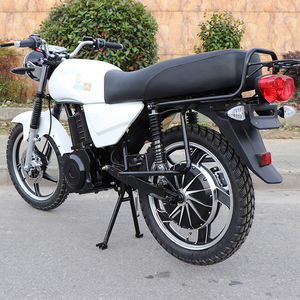
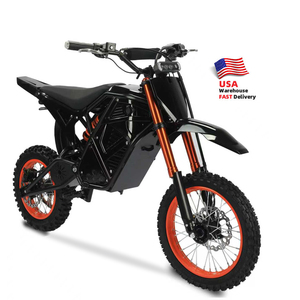
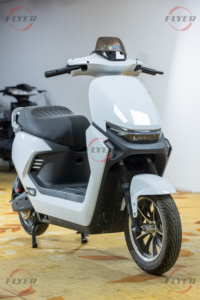
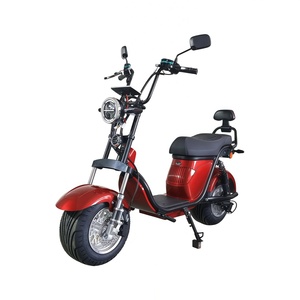
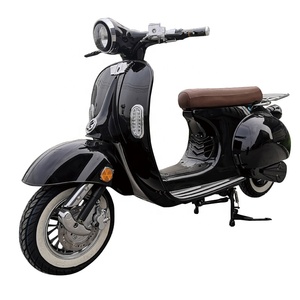
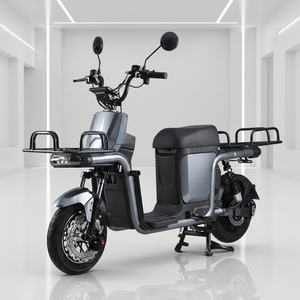
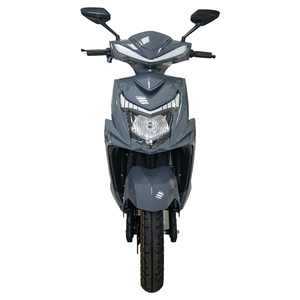
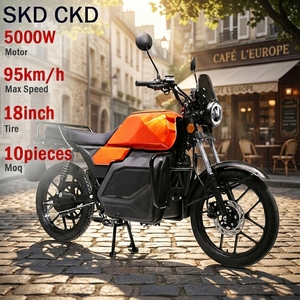
The global commercial electric motorcycle sector is experiencing a paradigm shift driven by stringent municipal emission regulations, corporate ESG targets, and rapid advancements in high-density lithium-ion cell manufacturing. According to recent market analysis, the global market for electric two-wheelers is projected to expand at a CAGR exceeding 14.2% through 2030, transitioning from a niche consumer urban transport solution to a foundational pillar of modern commercial logistics, micro-mobility fleets, and personal transport ecosystems.
Commercial buyers, enterprise fleet operators, and regional distributors face a complex procurement environment. Evaluating **commercial e-motorcycle exporters** requires far more than comparing basic motor wattage or sticker price. Decision-makers must analyze thermal management systems, battery management system (BMS) telemetry, chassis structural integrity, EEC/DOT homologation standards, and total cost of ownership (TCO).
To mitigate risk when importing commercial electric motorcycles, engineering leads and sourcing managers must assess four primary technical pillars before finalizing contract manufacturing agreements.
Commercial performance relies on high-efficiency BLDC hub motors or permanent magnet synchronous mid-drive motors (PMSM). Peak power outputs spanning 2000W to 6000W ensure adequate torque vectoring for heavy cargo loads, high-grade incline climbing (up to 25°), and sustained cruising speeds ranging from 45km/h for last-mile delivery up to 95km/h for highway-capable touring models.
Standard lead-acid setups have been largely superseded by high-energy-density ternary lithium (NCM) and lithium iron phosphate (LFP/LiFePO4) cell packs. Exporters offering automotive-grade CAN-bus smart BMS deliver real-time monitoring of cell voltage parity, thermal runaway prevention, state of charge (SoC) calculations, and over-current protection essential for multi-shift fleet operations.
Ensuring frictionless customs clearance requires verifying exporter compliance certifications. Vehicles intended for EU distribution require European Whole Vehicle Type Approval (WVTA) under EEC L1e through L3e categories. North American entry necessitates DOT, EPA, and SAE compliance, while regional markets demand specialized UN38.3 transport certification for lithium batteries.
| Specification Parameter | Urban Commuter / Fleet Moped | Heavy Duty Cargo / Delivery | High-Speed Touring / Highway |
|---|---|---|---|
| Nominal Voltage Platform | 48V - 60V System | 72V High-Torque System | 72V - 96V High-Output System |
| Motor Rated / Peak Power | 1200W - 2000W Hub Motor | 2000W - 3000W Heavy Torque | 5000W - 6000W PMSM Mid-Drive |
| Battery Configuration | 60V 20Ah Removable Lithium | 72V 30Ah - 45Ah Dual Pack | 72V 60Ah - 100Ah High Capacity |
| Top Speed Range | 34 mph - 45 km/h | 45 km/h - 60 km/h | 85 km/h - 95+ km/h |
| Commercial Application | Last-mile gig economy, rental fleets | Express parcel & hot food delivery | Intercity transport, law enforcement |
As the commercial electric two-wheeler market matures, leading exporters are integrating advanced technologies to address long-standing fleet management pain points. Procurement professionals must anticipate these technical shifts to keep their product offerings competitive over a 5-to-10-year horizon.
Modern commercial e-motorcycles are transforming into connected IoT edge devices. Advanced exporters now embed 4G/5G telematics control units (TCU) enabling real-time GPS tracking, remote diagnostics, geofencing, battery health telemetry, and over-the-air (OTA) firmware updates. This reduces fleet downtime and provides commercial operations with complete fleet visibility.
To eliminate charging downtime during peak operational hours, commercial procurement is rapidly shifting toward standardized, hot-swappable dual battery systems. Factory-integrated quick-release mechanisms compatible with universal battery swapping cabinets allow delivery operators to swap depleted packs for fully charged units in under 30 seconds.
The transition from traditional heavy steel frames to high-tensile hydroformed aluminum alloy chassis significantly reduces curb weight without sacrificing structural rigidity. Lower vehicle weight increases battery efficiency, extends operational range per charge cycle, and lowers suspension wear during prolonged commercial usage.
Our manufacturing philosophy builds on precision engineering, custom design capabilities, and rigorous quality assurance. Developed through years of continuous R&D, our production infrastructure bridges bespoke craftsmanship with large-scale industrial output.
Whether you require customized fleet colors, branded fairings, specialized cargo racking systems, or tailored controller tuning, our Custom Studio service gives global partners a clear competitive edge.
We provide comprehensive OEM/ODM manufacturing support. From custom frame geometries and specialized suspension setups to bespoke controller programming, our engineering team works alongside global distributors to meet localized market demands.
Every vehicle undergoes multi-stage quality testing, including 100% automated battery pack balancing, IP67 waterproof enclosure checks, chassis vibration fatigue testing, and dynamic dynamometer performance validation prior to packing.
With established global shipping channels, regional warehousing support, structured spare parts distribution, and clear warranty policies, we ensure global buyers receive uninterrupted operational support long after delivery.
Answers to common inquiries from commercial buyers, fleet managers, and international distributors regarding vehicle sourcing, compliance, and supply chain logistics.
Standard export orders for base models typically start at an MOQ of 10 to 20 units. For fully customized OEM orders—including custom branding, unique colorways, frame alterations, or specialized telematics integration—the MOQ generally ranges from 50 to 100 units depending on component specification complexity.
All lithium-ion battery modules undergo UN38.3 testing protocols (including altitude simulation, thermal tests, vibration, shock, external short-circuit, and overcharge evaluations). Units ship with full Material Safety Data Sheets (MSDS), Dangerous Goods (DG) compliance declarations, and drop-test certification for safe ocean and air freight.
Yes. Selected product lines are engineered specifically to meet European EEC (CoC) category requirements (L1e/L3e) and US DOT/EPA standards. Our regulatory compliance team provides all technical documentation, VIN assignment guidelines, and certificate backups needed for smooth local registration.
We provide a comprehensive warranty package that covers core components: 24 months for the lithium battery pack and motor, and 12 to 24 months for the controller and frame structure. Wearable parts and replacement electrical components are backed by guaranteed fast-ship spare part allocations included with bulk container shipments.
Our commercial battery configurations feature integrated thermal management layers and smart BMS cold-weather compensation algorithms. While extreme cold (-10°C to 0°C) can temporarily reduce effective range by 15-20%, our optional low-temperature heating elements ensure normal charge acceptance and nominal power output across diverse climate zones.
Connect with our senior technical export specialists to request complete factory specifications, custom OEM configuration quotes, and regional distribution partnership options.
Inquire Now