
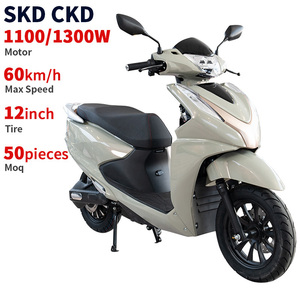
CKD SKD 12inch Battery E-bike City Wholesale Electric Motorcycle 1100/1300W 60km/h Speed Electric Motorbike for Sell
Motor: 1100W / 1300W Hub
Max Speed: 60 km/h
Packaging: CKD / SKD Options
Explore tier-1 manufactured electric motorbikes tailored for urban commuting, commercial logistics fleet deployment, and high-speed off-road supermoto applications.
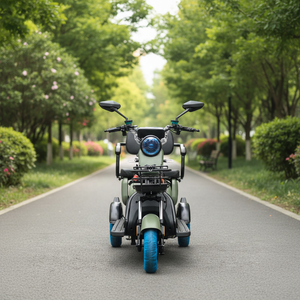
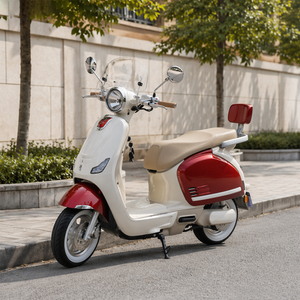
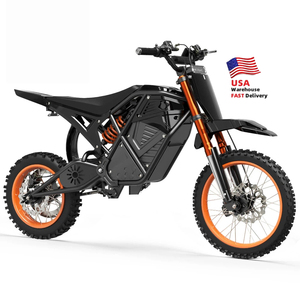
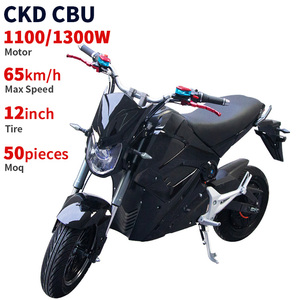
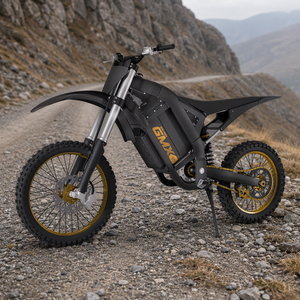
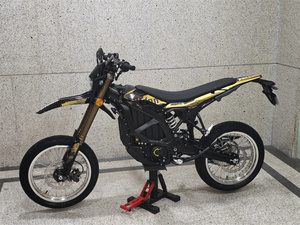
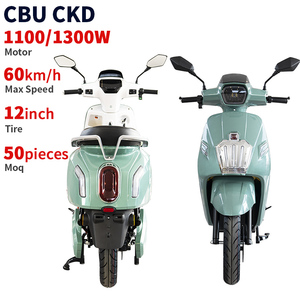
Utilizing high-density permanent magnet synchronous motors (PMSM) and advanced sine-wave FOC controllers to achieve up to 96% energy efficiency under extreme load conditions.
Integrated Smart Battery Management Systems featuring thermal monitoring, over-current cutoff, cell balancing, and CAN-BUS 2.0B telemetry for real-time fleet health diagnostics.
Engineered packaging frameworks optimized for container load density. Maximize freight profitability with localized assembly documentation and complete tooling kits.
The global two-wheeler mobility sector is undergoing a structural transition. Importers, brand owners, and commercial fleet managers seeking competitive advantages are migrating from traditional internal combustion engine (ICE) scooters to high-performance, low-maintenance electric motorcycles (E-Motorbikes). China has established itself as the epicenter of this shift, producing over 80% of the world’s electric mobility components, battery modules, and assembled chassis.
Navigating the complex landscape of Chinese high-speed e-motorbike factories requires a clear understanding of technical specifications, manufacturing standards, quality control protocols, and regional homologation compliance (such as EEC/CoC in Europe and DOT/EPA in North America).
When sourcing high-speed e-motorbikes (defined as vehicles reaching speeds > 60 km/h up to 130+ km/h), purchasing directors must look beyond basic aesthetic designs and evaluate core electrical architecture:
Modern high-speed e-motorbikes rely heavily on high-energy-density cell chemistries. While standard urban scooters utilize Lithium Iron Phosphate (LiFePO4 / LFP) for longevity and thermal stability, high-output sport and supermoto platforms leverage Ternary Lithium (NMC) cells to achieve higher power-to-weight ratios.
The debate between hub-mounted and mid-mounted electric motors dictates vehicle handling and terrain adaptability:
Distinguishing tier-1 original equipment manufacturers (OEMs) from assembly shops comes down to fundamental R&D depth. Partnering with facilities that incorporate European design heritage, rigorous mechanical testing, and custom studio capabilities ensures market differentiation.
High-speed electric motorcycles demand frame rigidity superior to conventional 125cc ICE bikes due to instantaneous motor torque delivery. Premium export factories employ Finite Element Analysis (FEA) to model stress points across forged aluminum alloy and trellis steel frames, guaranteeing high-speed stability at 130 km/h and harsh off-road landings.
Commercial clients and boutique brands require custom brand identities. Leading manufacturing partners offer integrated customization studios providing:
International logistics represents a significant portion of landed cost. Chinese exporters offering flexible knockdown packaging solutions empower importers to optimize import duties and shipping overhead:
The vehicle is 80% assembled. Front wheel, handlebars, and battery are packed separately. Requires minimal assembly time at the target destination—ideal for rapid distributor retail turnover.
Unassembled components packaged compactly. Increases container density by up to 220% compared to CBU (Completely Built Up) units, significantly reducing ocean freight cost per unit and tapping into lower regional assembly tariffs.
Furthermore, premier exporters maintain strategically located overseas fulfillment centers (such as US Western & European regional warehouses), enabling rapid 3 to 7-day domestic dispatch for high-demand models like 3000W electric dirt bikes and urban commuter scooters.
Addressing core technical, regulatory, and logistics inquiries to streamline your international supply chain operations.
For European Union markets, vehicles must possess EEC/CoC (Certificate of Conformity) approval under L3e-A1 (up to 11kW) or L3e-A2/A3 (high power) categories, alongside CE compliance for electronic components. For North America, DOT (Department of Transportation) compliance, FMVSS standards, and EPA vehicle classification are mandatory. Batteries must hold UN38.3, MSDS, and IEC 62133 certifications for ocean and air transportation.
Tier-1 manufacturers conduct rigorous environmental and mechanical testing protocols, including: thermal shock testing (-20°C to 65°C), vibration table testing matching automotive SAE standards, nail penetration tests on cell samples, short-circuit protection testing, and IP67 water submersion verification. Standard cycle life specs guarantee >80% capacity retention after 1,000 to 1,500 full charge/discharge cycles.
Sample orders (1–5 units) are typically supplied for evaluation using standardized stock specifications. For basic logo branding and custom colorways, factory MOQs generally start at 20 to 50 units (a 20GP container). Deep ODM structural changes (custom bodywork, bespoke frame geometries, or custom display firmware) require 100+ units alongside tooling amortization agreements.
Mid-drive motors centralize mass within the vehicle frame, dramatically improving balance, suspension dynamics, and cornering agility. They allow gearing ratios to be optimized via belts or chain sprockets, delivering massive rear-wheel torque (>600 N.m) for steep climbing and high top speeds without overheating the motor windings during prolonged hard acceleration.
Established exporters provide a comprehensive warranty package (typically 2 years on motor, controller, and battery pack; 3 to 5 years on structural frames). Bulk export orders routinely include a 2%–3% wear-and-tear spare parts kit (switches, brake pads, relays, cables). Remote diagnostic tools and digital wiring schematics are provided for localized technical servicing.
Vehicles are secured inside heavy-duty, robotically welded iron or steel crate frames encased in 7-ply corrugated export cartons. Critical components (fairings, digital screens, controls) are wrapped in anti-static bubble film, and moisture-absorbing desiccant packs are inserted to prevent corrosion during maritime transit.
Whether you are expanding a commercial delivery fleet, launching an urban mobility brand, or establishing a regional distributorship, our engineering and export team is ready to deliver tailored solutions.