
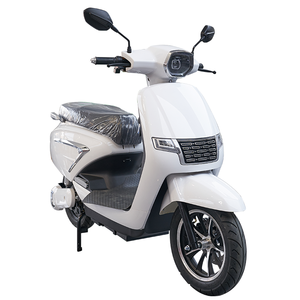
Factory-direct bulk procurement options engineered for urban commuting, logistics, off-road racing, and high-speed street transport.
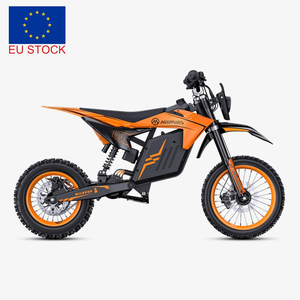
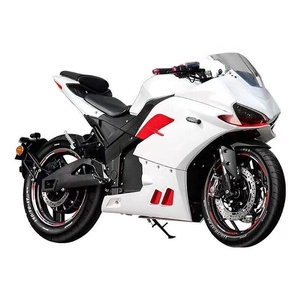
Navigating global decarbonization mandates, powertrain advancements, and supply chain strategies for commercial B2B buyers, fleet operators, and distributors.
The global transition toward zero-emission urban mobility has elevated China’s status from a mass-market assembly hub to the world's primary epicenter for advanced commercial electric motorcycle engineering. As international regulations tighten—exemplified by European Union L3e-A1/A3 category standards, US DOT compliance frameworks, and strict ESG requirements for last-mile delivery fleets—procurement managers must look beyond surface specifications to evaluate structural reliability, battery thermal safety, and total cost of ownership (TCO).
Modern commercial e-motorcycles are no longer simple adaptations of internal combustion engine (ICE) frames fitted with electric hubs. High-efficiency Permanent Magnet Synchronous Motors (PMSM), Field-Oriented Vector Control (FOC) systems, CAN-BUS vehicle telemetry, and high-voltage lithium battery packs are now baseline requirements. Suppliers who master full-vehicle integration deliver up to 35% higher energy density, extended lifecycle durability exceeding 1,000 deep discharge cycles, and significantly reduced maintenance downtime for commercial operators.
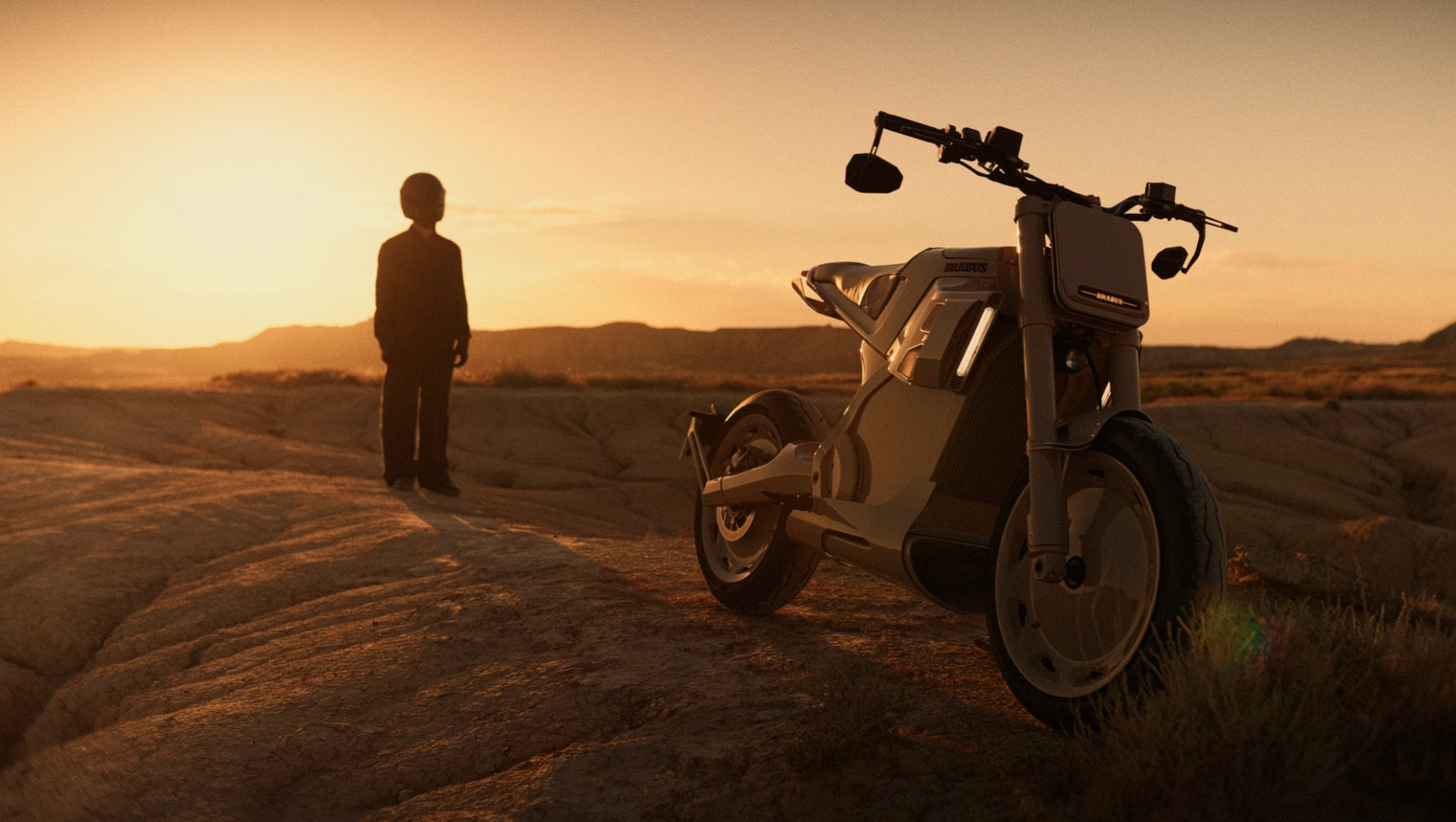
Commercial operators are transitioning from traditional 48V/60V systems to 72V, 84V, and 96V high-voltage platforms. Higher voltage minimizes copper losses, reduces thermal stress during heavy load acceleration, and supports sustained speeds exceeding 100 km/h without depleting cell integrity.
For last-mile delivery and commercial fleets, charging downtime represents lost revenue. The market is overwhelmingly adopting standardized dual-pack removable LiFePO4 / NCM modules compatible with automated swap networks, enabling continuous 24/7 commercial operation.
Modern B2B buyers require integrated CAN-BUS communication protocols. Embedded 4G/GPS telematics allow fleet managers to monitor real-time battery State-of-Health (SOH), driver behavior, geofencing, and remote over-the-air (OTA) firmware updates.
To overcome import duties on fully built units (CBU), global importers increasingly request Completely Knocked Down (CKD) or Semi-Knocked Down (SKD) shipments. Elite suppliers now offer custom modular jig designs, localized assembly documentation, and technician training.
Regulatory friction can halt imports. Tier-1 exporters are proactively completing European Whole Vehicle Type-Approval (WVTA) under Regulation (EU) No 168/2013 and US Department of Transportation (DOT) safety compliance, drastically reducing market-entry lead times.
Borrowing design philosophies from luxury custom workshops, leading factories now support full bespoke customization—allowing corporate buyers to configure chassis colorways, ergonomic accessories, and custom branding tailored to distinct market segments.
Compare motor outputs, battery capacities, ranges, and commercial applications across major category segments.
| Vehicle Category | Nominal / Peak Power | Battery Configuration | Max Speed | Est. Max Range | Payload / Application |
|---|---|---|---|---|---|
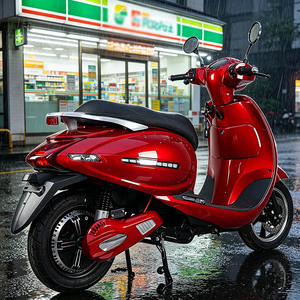
| Urban Commuter | 1100W – 2000W | 60V / 72V 20Ah Lithium | 55 – 65 km/h | 70 – 90 km | 200 kg / City Commute & Shared Mobility |
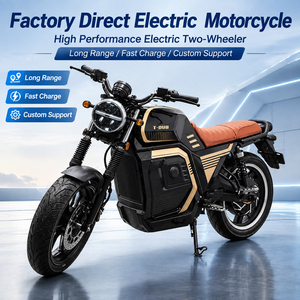
| Commercial Last-Mile | 3000W Heavy-Duty PMSM | 72V 40Ah Dual Swappable | 75 – 85 km/h | 110 – 140 km | 400 kg / Heavy Delivery & Express Cargo |
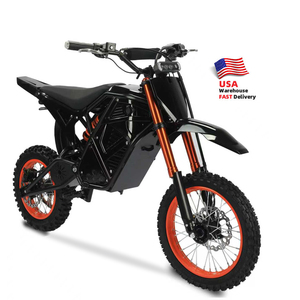
| Supermoto / Off-Road | 3000W – 5000W Peak | 48V / 72V High-Rate Discharge | 80 – 95 km/h | 80 – 100 km | 250 kg / Outdoor Trail & Sport Riding |
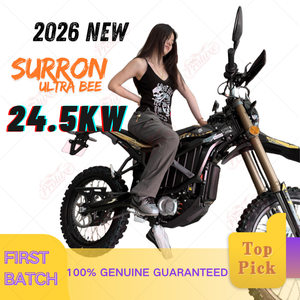
| High-Speed Racing | 8000W – 24.5kW Peak | 72V / 96V 50Ah NCM High Power | 110 – 140+ km/h | 120 – 160 km | 300 kg / Highway Racing & High-Speed Patrol |
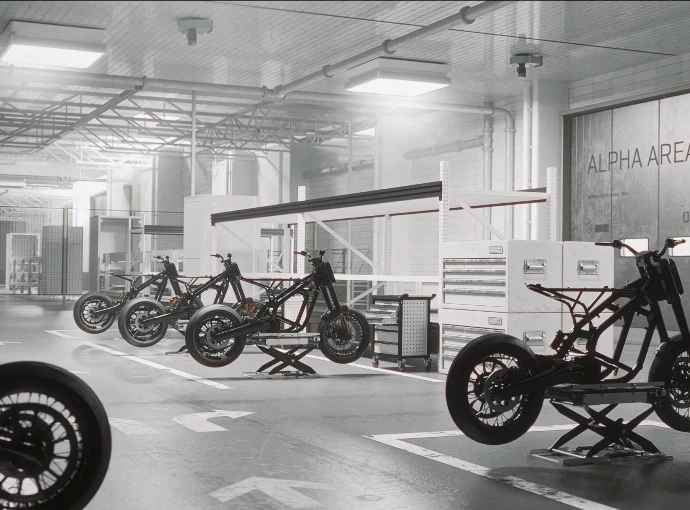
Our manufacturing infrastructure combines precision engineering with large-scale industrial agility. Born from a relentless pursuit of engineering singularity and functional beauty, our partner facilities maintain rigorous quality management systems certified to ISO9001 standards.
Every commercial vehicle undergoing OEM or ODM production undergoes exhaustive testing procedures, including multi-axis chassis vibration testing, high-pressure rain chamber waterproofing checks, dynamic dyno power output verification, and thermal battery stress analysis. We don't just supply electric motorcycles; we deliver robust, turnkey mobility solutions built to withstand harsh climate conditions and demanding commercial operational lifecycles.
Streamlining the journey from initial engineering audit to final customs clearance and regional distribution.
Define motor wattage, speed limits, payload capacity, local license categories (e.g., L3e-A1), and terrain needs.
Order evaluation units for local road homologation, real-world range validation, and battery thermal assessment.
Finalize branding, chassis finish, ECU tuning, firmware parameterization, and localized assembly manuals.
Mass manufacturing executed under strict QC inspections with optimized packaging to maximize container load factor.
Full shipping documentation support, spare parts inventory allocation, warranty coverage, and technical assistance.
For standard models without custom tooling, our initial sample MOQ starts at 1 to 5 units for testing. For fully customized OEM orders (custom colorways, localized branding, customized ECU controllers), the typical production MOQ is 20 to 50 units (20ft container load). We support scalable growth options for long-term fleet contracts.
Our flagship commercial models are engineered to meet European EEC / COC (L3e category) Whole Vehicle Type Approval standards and US DOT regulations. Lithium battery packs feature UN38.3, MSDS, and CE certifications with integrated smart Battery Management Systems (BMS) meeting strict international thermal safety requirements.
Shipping in Completely Knocked Down (CKD) or Semi-Knocked Down (SKD) format significantly reduces shipping volume, allowing up to 2.5x more units per 40ft High Cube container compared to CBU (Fully Built Units). Furthermore, many jurisdictions assess lower import tariff rates on unassembled components than on finished vehicles.
For high-frequency last-mile delivery fleets where cycle life and thermal stability are critical, LiFePO4 (Lithium Iron Phosphate) is often preferred due to its 2,000+ cycle lifespan. For high-speed or long-range consumer motorcycles requiring maximum energy density in a lightweight footprint, premium NCM (Nickel Cobalt Manganese) cells from tier-1 manufacturers are recommended.
We provide comprehensive warranty coverage on core components, including 2 years on battery packs, motors, and frame structures, and 1 year on electronic controllers. A standardized 2% to 5% wear-and-tear spare parts kit (switches, brake pads, lights, plastic fairings) is included with bulk container shipments alongside full digital service manuals and technical video guides.
Yes. Sample demonstration units can be prepared and dispatched via air freight or express sea freight to qualified importers, vehicle distributors, and fleet managers for performance testing, homologation verification, and market feedback collection.
Connect directly with our engineering and export team to request wholesale pricing catalogs, technical spec sheets, and CKD container shipment estimates.