0%

Electric scrambler motorcycles promise a distinctive mix: quiet acceleration, upright ergonomics, and styling shaped by classic dirt bikes. But a useful buying decision starts beyond the silhouette. Range can change sharply with speed, temperature, terrain, and rider weight. A claimed figure on a smooth test route may not match a windy commute or a rocky weekend trail.

Derek Dorresteyn, co-founder of electric motorcycle maker Alta Motors, is a relevant engineering voice for this category. His work points to a practical test: judge an electric scrambler motorcycle by how its engineering performs, not by rugged styling alone. This is a paraphrase of that perspective, not a verified direct quotation. That distinction matters. Buyers deserve evidence, not invented sound bites.

This guide compares ten models for global buyers, where availability, service support, charging access, and specifications can vary by market. It looks at usable range, motor response, suspension, ground clearance, braking, battery details, and everyday comfort. Picture a narrow lane, a damp gravel track, or a steep climb with a low battery. Small differences become obvious there. Some models favor city use; others suit light trails better. No single machine fits every rider, and published specifications do not tell the whole story. The rankings offer a starting point, not a promise. Check local model data and dealer support before deciding.
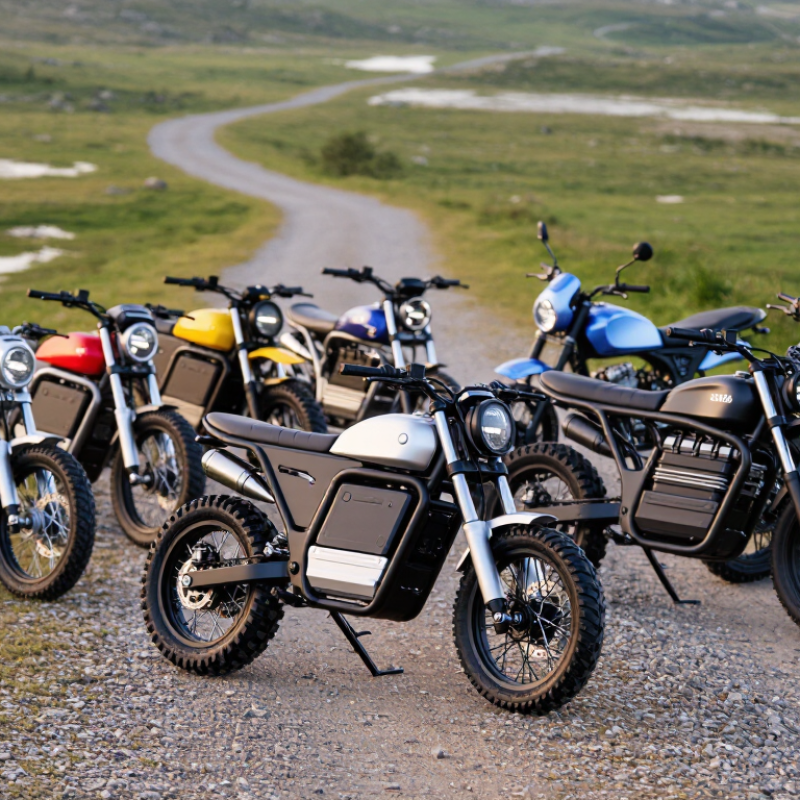
Top 10 Electric Scrambler Motorcycles for Global Buyers?

What Defines an Electric Scrambler Motorcycle?

An electric scrambler is defined by its intended use, not just a rugged silhouette. Look for an upright riding position, wide handlebars, useful suspension travel, and tires suited to pavement and packed gravel. Higher ground clearance and underbody protection can help on rough tracks. But chunky tires alone prove little.

Electric power changes the design trade-offs. A low-mounted battery can steady the bike, while battery mass may make quick direction changes harder. Smooth, controllable torque matters on loose surfaces; aggressive acceleration is not the same as traction. The category has no single universal technical definition, so buyers should check ground clearance, suspension travel, weight, and real-world range rather than trust styling claims. A tall stance can still mislead.

Market data helps explain why the category is expanding. The International Energy Agency’s Global EV Outlook 2024 reports that electric models accounted for more than 60% of new two- and three-wheeler sales in China in 2023. That figure covers a broad vehicle class, not scramblers specifically. It does, however, show the scale of electric two-wheeler adoption. Range also deserves a close look: gravel, hills, cold weather, and frequent stops can reduce practical distance, and advertised figures may not match a weekend ride.

How to Compare Electric Scramblers Across Global Markets

Comparing electric scramblers across global markets starts with the route, not the brochure. A useful comparison separates city commuting, gravel roads, and steep, loose trails. An advertised range can shrink in cold weather, at higher speeds, or on repeated climbs. Numbers need context. Look for test conditions, battery capacity, and charging time from a standard household outlet. If these details are missing, treat range claims as estimates, not guarantees.

Check whether suspension travel, ground clearance, tire choice, and seat height suit your terrain and body. A tall seat may feel manageable in a showroom but awkward on a sloped, rocky path. That matters. Compare local service access, replacement-part delivery, warranty coverage, and charging compatibility before weighing purchase prices. Regional versions may differ, so verify the exact model specification and applicable local requirements with the seller or relevant authority. Owner reports can add useful detail, but note their terrain, rider weight, and weather; one ride is not a controlled test. I would also compare stated performance with independent measurements where available, though these can be hard to find and imperfect.

Top 10 Electric Scrambler Motorcycles for Global Buyers

For global buyers, the best electric scrambler is not simply the fastest one. Prioritize usable range, charging access, low-speed control, and parts support. Raised suspension and block-pattern tires suit broken pavement, but can add weight and rolling resistance. That trade-off matters. The IEA’s Global EV Outlook 2024 estimates nearly 10 million electric two- and three-wheelers were sold worldwide in 2023. This figure covers all styles, not scramblers alone, so treat it as market context. When comparing a top-ten shortlist, check independently tested range, battery warranty, water resistance, and seat comfort—not peak power alone. Range claims remain imperfect; temperature, rider weight, and rough surfaces can change results.

Tips: Ask for a range estimate at your expected speed, not just an ideal test-cycle figure. Confirm local service access and replacement-battery availability before buying. A convenient charging point can matter more than a slightly larger battery. Try the bike over a curb or gravel patch, if possible. Small details count. A tall seat may feel fine in a showroom, then become tiring at frequent stops.

Top 10 Electric Scrambler Motorcycles for Global Buyers

A range snapshot of representative electric motorcycles with retro, scrambler or light-adventure styling. Figures are approximate manufacturer-claimed ranges in kilometres, not a ranked comparison; test cycles and market specifications vary.

Use claimed range as a starting point only. Real-world distance depends on speed, terrain, temperature, rider load and riding mode.

Key Specifications, Range, and Charging Considerations

Electric scramblers should be compared by battery capacity, motor output, usable range, and charging rate—not peak power alone. The International Energy Agency’s Global EV Outlook 2024 reports about 4.5 million electric two- and three-wheelers sold worldwide in 2023. That figure signals a growing category, but it does not describe scrambler-specific demand. Numbers need context. Check whether published range comes from a standardized test or a maker’s estimate, and note the test conditions.

For mixed commuting and gravel, compare claimed range with your likely route, speed, rider load, and elevation. Loose surfaces and frequent acceleration can reduce distance between charges. A 3.6 kWh battery charged at 0.9 kW would take about four hours in an ideal calculation; real charging can take longer because of conversion losses and charging limits. Check both onboard-charger power and connector compatibility. Charging is not uniform.

A practical shortlist should also show battery capacity in kWh, motor power in kW, charge time from a stated starting level, and whether the pack is removable. Removable packs help when parking lacks an outlet, but carrying one upstairs is not trivial. One weakness in many comparisons is unclear range testing. Ask for the test cycle, battery warranty terms, and cold-weather performance data before treating a headline range as dependable.

Buying, Ownership, and Regional Availability Factors

An electric scrambler may look ready for rough trails, but buying decisions should start with your daily routes. Check the seat height, curb weight, and ground clearance in person. A narrow garage ramp or a high seat can matter more than a dramatic product photo. Ask the seller for the battery warranty, charging time, and local service arrangements in writing. Small details matter.

Regional availability can affect delivery dates, spare parts, and repair options. Before paying a deposit, confirm that the motorcycle can be registered and serviced where you live. Requirements vary by location, so check with local transport authorities and insurers. Ownership costs include more than electricity: consider tires, brake checks, storage, and a suitable home charging point. Published range figures are estimates. Cold weather, hills, speed, and rider load can reduce real-world distance. I would not plan a long trip around the best-case number; that assumption is easy to regret.

Tips: Map your regular ride and nearby charging options. Request a real-world range estimate for similar terrain. If possible, test the bike with your usual riding gear.

FAQS

What should I compare before choosing an electric scrambler?

Start with your routes: city streets, gravel roads, or steep, loose trails. Compare suspension travel, ground clearance, tires, seat height, and weight. Numbers need context.

Can I rely on the advertised range?

Treat it as an estimate, not a guarantee. Cold weather, hills, speed, loose surfaces, and rider load can reduce distance. Check the test conditions.

Which battery and charging details matter?

Compare battery capacity in kWh, charger power, connector compatibility, and charging time from a stated starting level. A 3.6 kWh battery at 0.9 kW needs about four ideal hours. Real charging may take longer.

Is peak motor power enough to compare performance?

No. Compare motor output alongside usable range and your route. Repeated climbs and quick acceleration can affect how far the bike travels between charges.

Is a removable battery always more convenient?

It can help when parking lacks an outlet. Carrying a heavy pack upstairs may be awkward. Check its weight before deciding.

What should I verify about local availability?

Ask about delivery dates, replacement parts, service access, and warranty coverage. Confirm registration and insurance requirements with local authorities and insurers.

Which ownership costs should I include?

Consider electricity, tires, brake checks, storage, and a suitable home charging point. A low purchase price does not show the whole cost.

How can I judge fit and real-world performance?

Check seat height, curb weight, and ground clearance in person. If possible, test the bike in your usual riding gear. One ride is not proof; comparisons remain imperfect.

Conclusion

An electric scrambler motorcycle combines the upright stance, rugged styling, and versatile character of a traditional scrambler with electric power. For global buyers, choosing one involves more than comparing appearance or peak performance. Battery capacity, real-world range, motor output, weight, suspension, tire choice, and charging time all shape how well a model suits commuting, weekend rides, or light off-road use.

This guide presents ten electric scrambler options and explains how to compare them across different markets, where specifications and availability may vary. It also highlights practical ownership considerations, including access to compatible charging, local service support, warranty coverage, and the costs of everyday use. By weighing these factors alongside riding needs and regional conditions, buyers can make a more informed choice and find a motorcycle that fits their intended routes and lifestyle.

Oliver

Oliver

Oliver is a professional marketing specialist who combines a deep understanding of the company’s products with a clear, practical approach to communication. He regularly contributes expert articles to the company website, helping readers understand product features, compare available solutions, and......