A designer electric motorcycle is more than a striking silhouette. For global buyers, the right choice must also fit daily routes, local charging options, and the realities of ownership. This guide examines leading brands through practical details: battery capacity, claimed range, charging time, warranty coverage, service access, and parts availability. These details matter when a polished showroom model meets a rainy commute or a long stretch between chargers.
Looks matter. So does support.
Brand specifications can be useful, but advertised range rarely tells the whole story. Speed, temperature, rider weight, terrain, and luggage can all change how far a motorcycle travels between charges. Buyers should compare models using consistent test conditions where possible, then confirm local certification, dealer support, and charging compatibility before placing an order. Availability can also vary by country, even for familiar names.
Design remains personal, and no ranking can settle every preference. One buyer may value a slim frame and quiet urban handling; another may want a comfortable seat, stronger acceleration, and easy access to replacement parts. This overview aims to make those trade-offs clearer, not to promise a perfect match. Some brand information may change quickly, so verify current specifications with the manufacturer or an authorized dealer. A beautiful machine can still be the wrong choice.
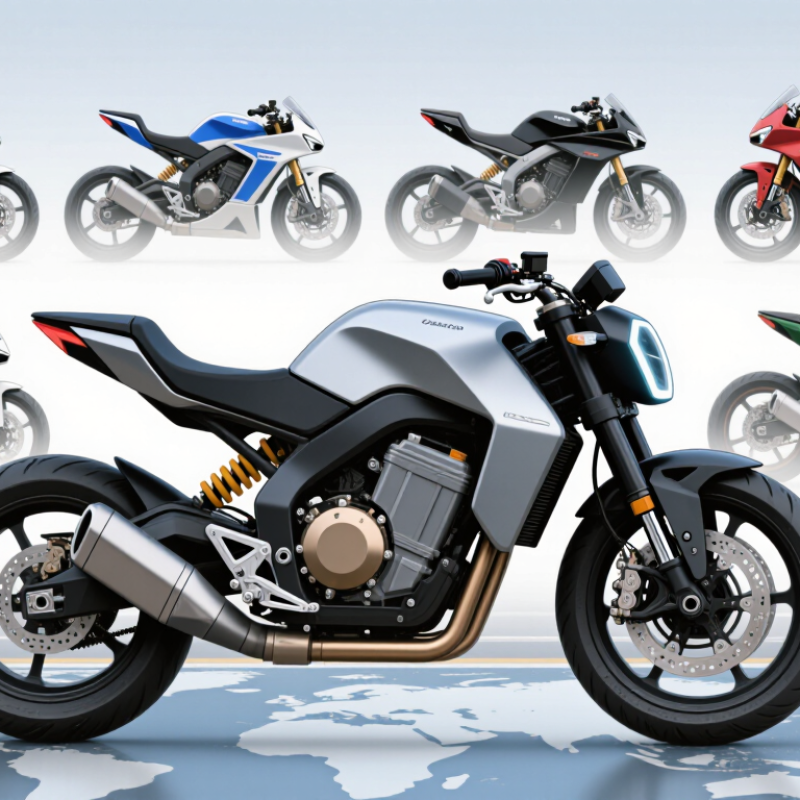
In 2026, a designer electric motorcycle is more than a striking silhouette. Its proportions should make sense on the road: a low battery can help stability, while a readable display should remain clear in bright sun. Look for weather-resistant connectors, visible charging information, and controls that feel usable with gloves. Small details matter. So does the repair plan.
The IEA’s Global EV Outlook 2024 reports that electric two- and three-wheeler sales reached about 10 million in 2023, roughly 14% of global sales. That scale raises expectations for reliable batteries and accessible service. BloombergNEF’s 2023 Battery Price Survey put average lithium-ion pack prices at $139 per kilowatt-hour, down 14% from 2022. Lower average costs do not prove that a specific motorcycle offers better range, safety, or value.
A credible design should pair clear range estimates with battery specifications, warranty terms, and independent test information. Ask how much range remains in cold weather or at highway speeds; the advertised figure may not reflect either. A handsome machine can still frustrate riders if its battery is awkward to remove or its seat becomes uncomfortable after an hour. There is a trade-off. Performance, weight, repairability, and styling rarely peak together.
| Evaluation Dimension | What Defines a Designer Electric Motorcycle | Buyer Data to Compare | Why It Matters for Global Buyers |
|---|---|---|---|
| Design identity | A coherent visual language across the frame, bodywork, lighting, controls, and finishes—not styling alone. | Frame and body materials; finish options; lighting type; component integration; repairability of distinctive body panels. | Materials and bespoke-looking components can affect durability, repair cost, and parts availability. |
| Real-world range | Range is a result of battery capacity, speed, rider and cargo weight, route, temperature, and riding style. | Battery capacity in kWh; stated test method; range at different speeds if published; expected range in the buyer’s climate. | Published range figures are not directly comparable when test cycles and conditions differ. |
| Battery and warranty | A well-defined battery package includes clear specifications, safe charging guidance, and accessible warranty terms. | Usable or nominal capacity; battery chemistry where disclosed; removable or fixed design; warranty duration, mileage limit, and exclusions. | Battery replacement, service access, and warranty coverage can vary by market and sales channel. |
| Charging compatibility | Charging suitability depends on the motorcycle’s onboard equipment and the electrical supply available to the rider. | Connector type; AC or DC charging support; maximum charging power; estimated charging time and conditions. | Connector standards, voltage, and public charging availability differ across countries and regions. |
| Performance and control | Electric performance should be assessed through usable output and predictable control, not peak figures alone. | Continuous and peak motor power; maximum speed; riding modes; regenerative-braking settings; traction and braking features. | Local licensing, insurance, and vehicle-class rules may depend on specifications such as power and maximum speed. |
| Ergonomics and everyday use | Designer form should work with the rider’s body position, visibility, storage needs, and typical journey. | Seat height; vehicle weight; riding posture; passenger provision; storage capacity; lighting and display visibility. | Fit and usability are personal; a test ride is the best way to assess comfort and handling where available. |
| Safety and road approval | Road legality is established through the applicable approval and compliance process in the intended market. | Market-specific type approval or certification; required lighting and braking equipment; VIN and registration documentation. | Approval in one country does not automatically guarantee that a vehicle can be registered in another. |
| Software and connectivity | Digital features are useful when their functions, data requirements, and support lifetime are clearly explained. | Display functions; navigation or app features; connectivity requirements; update policy; privacy and subscription terms. | App availability, mobile-network support, and connected services can vary by country and may change over time. |
| Service and ownership support | A premium design experience includes practical access to maintenance, diagnostics, and replacement parts. | Authorized service coverage; parts ordering route; maintenance schedule; roadside assistance; warranty contact in the destination market. | Local support can reduce downtime and make long-term ownership more predictable. |
| Total cost of ownership | Purchase price is only one part of the cost of owning an electric motorcycle. | Local taxes and registration; charging costs; insurance; scheduled maintenance; battery and parts coverage; resale conditions. | Electricity prices, incentives, taxes, and insurance rules differ substantially between markets. |
Comparison note: Specifications and legal requirements are market- and model-specific. Confirm figures, certification, warranty terms, and service availability with the seller for the exact destination country.
It combines practical proportions with clear controls, a readable display, weather-resistant connectors, and a workable repair plan. Looks are only part of it.
No. Check battery access, seat comfort, handling, and local service support. A sleek seat can still feel tiring after an hour.
Compare your commute, including hills, traffic, and the return trip. Ask how cold weather and highway speeds affect range. Numbers vary.
No. Global sales reached about 10 million electric two- and three-wheelers in 2023, but local stock and parts can still be limited.
Find out where trained technicians work, which repairs they handle, and how long common parts take to arrive. A nearby showroom is not enough.
Ask for battery capacity, warranty terms, replacement costs, and clear range information. I would double-check what the battery warranty covers separately.
Check seat height, low-speed steering, brake feel, and parking. Try the motorcycle with a load, if possible. Comfort can surprise you.
Compare charging time, plug compatibility, storage, repair access, and written service terms. Confirm local requirements before ordering. Photos can mislead.
In 2026, a designer electric motorcycle is more than a stylish way to travel: it brings distinctive form together with practical electric performance. Buyers can compare frame and body design, riding position, battery capacity, range, charging time, handling, safety equipment, and onboard technology. The strongest options balance visual character with comfort, reliability, and everyday usability, whether for city journeys or longer rides.
Brand availability and ownership support differ by region, so global buyers should also check local service access, parts supply, warranty coverage, charging compatibility, and delivery options. Before choosing a model, consider typical travel distances, storage needs, riding conditions, budget, and how easily the motorcycle can be maintained. Comparing these factors alongside design and performance helps buyers find a designer electric motorcycle that suits both their preferences and their location.

