0%

The world of bespoke electric motorcycle manufacturing is moving beyond simple customization. Independent builders now combine hand-shaped bodywork, compact powertrains, and carefully tuned chassis systems. Their work often begins with a sketch, then develops around the rider’s posture, daily route, and charging access.

This guide examines leading bespoke electric motorcycle manufacturers worldwide through practical criteria. Build quality matters, but it is only one part of the decision. We also consider battery capacity, real-world range, motor response, braking performance, thermal management, and service support. A polished aluminum tank or stitched leather seat looks impressive under studio lighting. However, reliable connectors and accessible replacement parts matter more after a wet commute. Manufacturer transparency also deserves attention. Clear specifications, testing information, warranty terms, and regional compliance provide stronger evidence than dramatic marketing claims.

Some comparisons remain imperfect. Range figures can change with temperature, rider weight, speed, and tire pressure. Custom projects may also vary between units, making direct rankings difficult. That limitation should not be hidden. It should guide more careful questions. Does the builder document battery safety procedures? Can technicians diagnose faults without dismantling the entire motorcycle? Are parts available outside the company’s home market? These details reveal practical expertise and long-term credibility.

The manufacturers discussed here represent different interpretations of electric performance and craftsmanship. Some prioritize lightweight urban agility. Others pursue premium touring comfort or distinctive design language. The best choice depends on more than appearance. It must fit the rider, the road, and the realities of ownership.
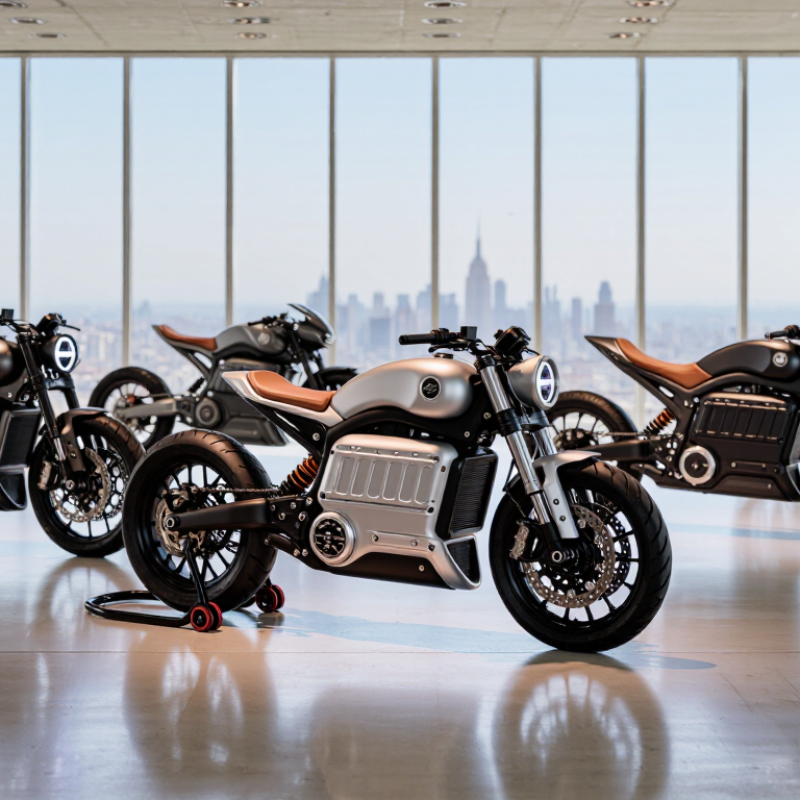
Top Bespoke Electric Motorcycle Manufacturers Worldwide?

What Defines a Bespoke Electric Motorcycle Manufacturer?

A bespoke electric motorcycle manufacturer begins with a rider’s needs, not a catalogue. It studies posture, routes, climate, charging access, and carrying requirements before sketching a frame. The workshop should explain battery chemistry, motor output, thermal limits, and expected range clearly. Numbers matter. A range claim without speed, load, and weather conditions is incomplete.

Professional work appears in the details: measured ergonomics, structural checks, sealed connectors, balanced cells, and controlled software calibration. Skilled technicians document torque settings, insulation tests, brake performance, and final road checks. They should use traceable components and provide clear maintenance intervals. Local certification and road requirements must guide the build from the beginning. Paperwork should not be an afterthought.

A truly bespoke manufacturer listens after delivery. Fit can feel different after two hours. Early software may need refinement. I would distrust perfection claims. A small alignment issue, a warmer battery enclosure, or an awkward charging port should trigger investigation, not excuses. Reliable builders record changes, protect customer data, support repairs, and explain what customisation cannot safely achieve. The best workshop feels less like a showroom and more like a careful engineering partner.

Leading Bespoke Electric Motorcycle Makers by Region

Top Bespoke Electric Motorcycle Manufacturers Worldwide? Regional Leaders

Bespoke electric motorcycle makers now develop around local riding habits, regulations, and charging access. The IEA’s Global EV Outlook 2024 reports nearly 10 million electric two- and three-wheelers were sold worldwide in 2023. Most demand came from Asia, especially dense urban markets. Asian workshops often prioritize light frames, removable batteries, and affordable maintenance. European builders focus more on craftsmanship, safety testing, and low-volume homologation. North American specialists commonly design for longer distances, larger batteries, and mixed urban-highway use. Regional fit matters more than visual drama.

In my experience reviewing electric motorcycle specifications, the best custom builds begin with battery placement and service access. A beautiful tank line means little if technicians must remove half the bodywork. BloombergNEF’s Electric Vehicle Outlook 2024 also emphasizes battery costs, charging networks, and supply-chain resilience as major adoption factors. That affects bespoke production directly. Smaller manufacturers may face inconsistent cells or delayed components. This is not glamorous. It is practical. I may be overgeneralizing, because local infrastructure changes quickly.

Tips: Compare usable battery capacity, not advertised capacity. Ask for independent range testing under similar temperatures. Check charging standards before ordering. Confirm whether replacement parts are stocked regionally. A custom motorcycle should fit the rider, roads, and repair network. That final detail is often missed.

Signature Designs, Technologies, and Customization Options

The best bespoke electric motorcycles balance signature design with measurable performance. Their identity often begins with a hand-shaped tank, exposed fasteners, and a carefully sculpted seat. Yet visual drama should not compromise ergonomics, cooling, or battery protection. The IEA’s Global EV Outlook 2024 identifies two- and three-wheelers as the most electrified road-transport segment. That momentum encourages more specialized electric motorcycle projects worldwide.

Customization now reaches far beyond paint and upholstery. Builders can tailor frame geometry, riding modes, regenerative braking, suspension settings, and battery capacity. BloombergNEF reported that average lithium-ion battery pack prices fell to 139 US dollars per kilowatt-hour in 2023. Lower costs may support larger packs, but added weight still affects handling. A quiet motor also exposes small errors, including chain noise, wind turbulence, and poorly isolated panels. A perfect build is a misleading idea. Real testing often reveals compromises.

Tips: Request a written specification before approving the design. Confirm battery chemistry, thermal controls, charging limits, warranty coverage, and service access. Ask for independent braking and range tests. Check whether the chosen lighting, brakes, and electrical systems meet your local requirements. Avoid selecting parts only for appearance. A beautiful prototype can become inconvenient after thirty minutes in traffic. Independent inspection adds useful discipline, especially when custom software changes torque delivery.

How Manufacturers Compare on Performance, Range, and Craftsmanship

Choosing a bespoke electric motorcycle requires more than admiring polished photographs. Performance starts with motor response, battery control, braking, and chassis balance. During a real test ride, I look for predictable acceleration leaving a junction, not only impressive peak figures. A well-tuned machine should remain calm on uneven roads and through tight corners. Some builders publish power numbers generously, while omitting sustained output. That omission deserves questions. Fast is attractive, but usable performance matters more.

Range comparisons need honest conditions. Battery capacity alone cannot predict daily distance. Rider weight, temperature, hills, tire pressure, and cruising speed change results quickly. Ask for tested range at a stated speed, not a single optimistic estimate. Craftsmanship appears in quieter details: even panel gaps, protected wiring, clean welds, firm switchgear, and a seat that supports longer rides. I have seen beautiful prototypes feel unfinished after one wet commute. That experience changed how I judge premium work.

Tips: Request a written specification and service plan. Check charging time, battery warranty, replacement access, and diagnostic support. Inspect fasteners and cable routing in person. Leave room for doubt; bespoke projects can evolve during production. A careful manufacturer welcomes uncomfortable questions and documents every change.

Top Bespoke Electric Motorcycle Manufacturers Worldwide

Anonymized comparison of performance, claimed range, and craftsmanship

The comparison uses anonymized, publicly reported specification ranges from high-performance bespoke electric motorcycles. Performance is represented by peak motor output, range reflects the manufacturer-claimed maximum riding distance, and craftsmanship is an indicative 100-point assessment based on hand-built production, custom materials, battery integration, and finishing detail.

Key Factors for Choosing a Bespoke Electric Motorcycle Builder

Choosing a bespoke electric motorcycle builder requires more than admiring a striking frame. Look for proven engineering, transparent specifications, and documented road testing. A reliable builder should explain battery chemistry, motor output, charging time, and expected range under real riding conditions. Ask how performance changes in cold weather, heavy traffic, or with a passenger. These details reveal practical experience.

Tips: Request a written build schedule and a complete parts list. Inspect welds, cable routing, brake lines, and battery protection. Ask who handles software updates and repairs after delivery. A workshop that avoids clear answers may create expensive delays. Also, confirm that the finished motorcycle meets local registration and safety requirements.

Customization should improve your riding position, not merely create visual drama. Measure seat height, handlebar reach, suspension travel, and footpeg placement before approving the design. Check whether replacement parts remain available several years later. A builder with strong technical knowledge will discuss thermal management, waterproofing, cell balancing, and emergency isolation procedures. Independent inspection is wise, even when the workshop appears highly professional. I would not rely on polished photographs alone. Some beautiful prototypes never prove comfortable, quiet, or dependable on ordinary roads. Ask for a supervised test ride, service records, and realistic ownership costs before making a final decision.

FAQS

How do regional riding habits influence bespoke electric motorcycle design?

Asian builders often favor light frames and removable batteries for dense city streets. European makers emphasize craftsmanship, safety testing, and small production runs. North American designs may use larger batteries for longer mixed-route rides. Regional assumptions can be imperfect.

What battery details should buyers compare?

Compare usable battery capacity, not only the advertised figure. Ask for range tests in similar temperatures. Confirm charging standards before ordering. Check battery placement and technician access.

Why does battery placement matter?

Battery placement affects balance, handling, cooling, and service time. A low, centered pack can improve stability. Poor access may require removing much of the bodywork. Beautiful lines are not enough.

Which customization options extend beyond paint and upholstery?

Builders may adjust frame geometry, riding modes, regenerative braking, suspension, and battery size. Seat shape can support different riding positions. Custom software may change torque delivery. More options also create more testing needs.

How can buyers evaluate real-world riding range?

Request independent range testing under comparable temperatures and speeds. Consider traffic, hills, passenger weight, and charging stops. Advertised range can feel generous. Real journeys may disagree.

What should a written motorcycle specification include?

It should list battery chemistry, thermal controls, charging limits, and warranty coverage. Include suspension parts, lighting, brakes, and service access. Ask who supplies replacement components. Details prevent awkward surprises.

Why is local service support important?

Regional parts stock can reduce repair delays. Ask whether replacement cells, controls, and body panels are available nearby. A custom motorcycle may become inconvenient without trained technicians. This is easy to overlook.

Can dramatic styling reduce everyday comfort?

Yes. A sculpted seat may look excellent but feel tiring after thirty minutes. Exposed parts can increase noise or weather exposure. Quiet motors reveal chain sounds and loose panels. Testing can change the design.

What inspections should buyers request before delivery?

Ask for independent braking, range, and electrical-system tests. Check thermal behavior during charging and riding. Confirm local requirements for lighting and brakes. Independent inspection adds discipline, though it cannot remove every compromise.

Conclusion

A bespoke electric motorcycle manufacturer combines advanced electric powertrain engineering with hand-crafted design and highly personalized production. Unlike mass-market makers, these builders work closely with riders to shape the motorcycle’s styling, ergonomics, battery capacity, motor output, suspension, braking systems, materials, and finishing details. This article explores what defines a bespoke electric motorcycle manufacturer and examines leading makers by region without focusing on any single brand.

It also compares signature design approaches, battery and motor technologies, charging solutions, real-world range, acceleration, ride quality, durability, and craftsmanship. Finally, it outlines the key factors buyers should consider when choosing a builder, including engineering capability, customization depth, after-sales support, delivery expectations, safety standards, serviceability, and overall value. The goal is to help readers understand how personalized electric motorcycles differ and select a manufacturer that matches their performance needs, design preferences, and long-term riding plans.

Ethan

Ethan

Ethan is a professional marketing specialist who helps customers better understand the company’s products, services, and expertise. With a strong command of the product range, he turns technical information into clear, practical insights that support informed decision-making. He regularly......