Choosing an electric commuter motorcycle in 2026 requires more than comparing battery size and showroom price. Your daily route matters. A twelve-mile commute with steep hills, winter rain, and limited charging needs a different machine from a flat city ride. Seat height, carrying space, braking feel, and weather protection can decide whether the motorcycle becomes useful or frustrating.
The International Energy Agency’s Global EV Outlook 2025 identifies electric two- and three-wheelers as among the most widely adopted electric road vehicles. Its market analysis also shows strong concentration in China and other Asian markets, where charging access and lower operating costs support adoption. Deloitte’s 2025 automotive research highlights a continuing consumer concern: charging convenience remains central to electric-vehicle decisions. That warning applies here. A battery may promise 150 kilometres, but cold weather, high speed, heavy luggage, and frequent hills can reduce practical range. A range number can mislead.
Erik Buell, motorcycle engineer and founder of Buell Motorcycle Company, has described the direction clearly: “Electric motorcycles are the future of motorcycling.” His view deserves attention, but it should not replace a test ride. Check real-world range, charging time, battery warranty, service coverage, and replacement-part availability. Inspect the charging cable beside your parking space. Try the mirrors with your riding jacket on. Small details matter.
The best electric commuter motorcycle is not automatically the fastest or most expensive model. It is the one that fits your route, budget, charging habits, and tolerance for compromise. Some buyers will discover that public charging is inconvenient. Others may value quiet starts, low maintenance, and predictable urban acceleration more. The decision is practical, personal, and occasionally imperfect.
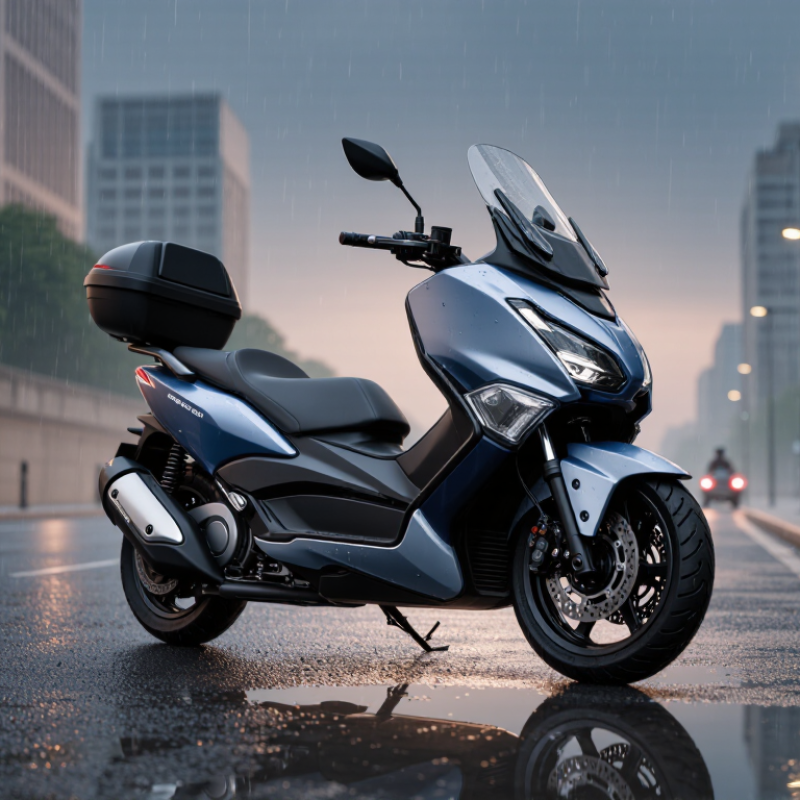
Choosing an electric commuter motorcycle in 2026 begins with your actual weekday routine. Measure your complete trip, not just the distance to work. Include school stops, shopping, detours, and crowded intersections. A 20-kilometer commute can become 35 kilometers after errands. I once underestimated this difference, and my battery estimate became uncomfortable by Friday.
Record how often you can charge at home or work. A standard outlet may be enough, but charging time matters when your schedule changes. Check the motorcycle’s usable range under realistic conditions. Cold weather, high speeds, hills, extra luggage, and frequent acceleration can reduce it noticeably. Keep a practical reserve rather than planning to arrive with an empty battery.
Your roads also shape the right choice. Smooth urban streets need different performance from steep lanes, rough pavement, or fast traffic. Examine the route at morning and evening hours. Note lane width, surface damage, rain exposure, secure parking, and local riding requirements. A compact motorcycle may feel ideal in traffic but less stable on open roads. Test the vehicle on your real route if possible. Pay attention to seat height, braking control, mirror visibility, and low-speed balance. My own first impression favored maximum range, yet daily comfort and easy parking proved more valuable. Needs can change, so leave room for that.
Define Your Daily Commuting Needs and Riding Conditions
These planning values represent common commuting patterns. The recommended usable range is set at approximately twice the daily round-trip distance to allow for traffic, cold weather, hills, passenger loads, and charging flexibility. Choose a motorcycle with enough battery capacity for your longest regular route, not only your average weekday.
How to Choose an Electric Commuter Motorcycle in 2026?
Motor power affects acceleration, hill climbing, and stability in traffic. For flat urban streets, moderate power often feels smoother and easier to control. Riders in hilly areas may need stronger output, especially with a passenger or loaded backpack. A test ride reveals more than a specification sheet. Notice how quickly the motorcycle responds at low speed. Too much power can feel exciting, but it may reduce efficiency and confidence.
Range should match your real commute, not an ideal laboratory figure. Cold weather, steep roads, heavy loads, and fast riding can reduce distance noticeably. I would choose at least 30 percent more range than the daily route requires. That extra margin prevents stressful battery warnings. Speed also matters. A higher top speed can help on faster roads, but it usually consumes more energy. A practical commuter needs stable cruising speed, not just an impressive maximum number.
Tips: Compare battery capacity in kilowatt-hours, then ask how much energy remains after normal use. A larger battery can improve range, but it may add weight and charging time. Check charging options at home and work. Measure the socket location, cable reach, and overnight access. Also inspect battery warranty terms and service support. These details are easy to ignore. I once focused too heavily on speed and underestimated daily charging convenience. That was a useful mistake.
Charging access matters more than brochure range. The IEA’s Global EV Outlook 2024 identifies electric two-wheelers as the most electrified road-transport segment. Yet public charging remains uneven across cities. Check your daily route, workplace parking, and home socket before comparing battery sizes. A removable battery helps apartment riders, but carrying 20 kilograms upstairs is unpleasant. Fast charging is useful, although frequent high-power charging may increase heat and stress. The battery is not magic.
Battery capacity should match your real commute, not weekend fantasies. BloombergNEF reported an average lithium-ion battery-pack price of 115 dollars per kWh in 2024. That trend may lower future replacement costs, but motorcycle packs vary widely. Ask for usable capacity, charging time, warranty conditions, and expected capacity retention. A battery-management system should record temperature and charging faults. Still, manufacturer testing may not reflect winter traffic or steep hills.
Tips: Look for an IEC 60529 water-resistance rating, such as IPX4 or higher, and inspect charging-port seals. Rain protection is not flood protection. After wet rides, dry the connector before charging. In cold weather, range can fall noticeably, so leave a margin of at least 20 percent. I would test the motorcycle on your actual route, including rough pavement and a rainy morning. That small test often reveals more than a polished specification sheet.
Choosing an electric commuter motorcycle in 2026 starts with safety, not range. NHTSA’s 2022 Traffic Safety Facts reports that motorcyclists were 28 times more likely to die in crashes than passenger-car occupants per mile traveled. Choose strong daytime lighting, traction control, combined braking, and antilock braking. IIHS research found that motorcycle ABS reduced fatal crash rates by about 22%. That number matters at a wet intersection.
Comfort affects control during daily riding. Sit for ten minutes before buying. Your knees should remain relaxed, and your wrists should not carry your weight. Check seat height, suspension travel, wind protection, and tire grip. Storage is often disappointing. A charger, rain shell, lock, and laptop may fill a small compartment quickly. IEA’s Global EV Outlook notes continued growth in electric two- and three-wheelers, but battery size still limits practical range and carrying space.
Tips: Measure your usual parking space. Confirm charging access. Check the battery warranty and replacement process. Review your local rules for motorcycle licensing, registration, insurance, helmet use, power limits, lighting, and parking. UNECE Regulation No. 136 provides electric-powertrain safety requirements in applicable markets, but local law decides road legality. Do not assume a low-speed model needs fewer documents. It may. Or it may not. A dealer’s casual answer is not enough; verify the transport authority’s current guidance.
| Category | Feature to Check | Practical Benchmark | Why It Matters | Verification Checklist |
|---|---|---|---|---|
| Safety | Braking system | Hydraulic disc brakes on both wheels; motorcycle-grade ABS is preferable. | Disc brakes provide consistent stopping performance, while ABS helps reduce wheel lock during hard braking on wet or slippery roads. | Confirm whether ABS operates on one or both wheels and check the service interval for pads, discs, and brake fluid. |
| Safety | Lighting and visibility | Automatic daytime running light, bright headlamp, rear lamp, brake lamp, turn signals, and side reflectors. | Good visibility helps other road users detect the motorcycle in daylight, darkness, and poor weather. | Check beam coverage, indicator visibility from the sides, and whether the lamps meet the regulations in the intended country. |
| Safety | Tires and road grip | Motorcycle-specific tubeless tires with adequate tread and load rating for two-up or cargo use. | Tire condition and correct pressure directly affect braking distance, cornering stability, and wet-weather control. | Read the tire size and load rating on the sidewall; confirm that replacement tires are readily available. |
| Safety | Battery protection | Battery-management system with overcharge, over-discharge, over-temperature, and short-circuit protection. | Electronic protection helps control operating risks and can improve battery reliability over time. | Look for documented safety testing, clear charging instructions, thermal protections, and a removable battery that can be handled safely. |
| Safety | Rider-assistance controls | Selectable riding modes, predictable throttle response, traction control where available, and a clear power-on interlock. | Progressive acceleration and an effective interlock reduce the chance of unintended movement when mounting or parking. | Test the lowest-power mode, throttle smoothness at walking speed, reverse-assist operation, and the side-stand safety switch. |
| Comfort | Ergonomics and fit | Both feet should be controllable at stops; handlebars should allow a relaxed, neutral reach. | A suitable riding position reduces wrist, shoulder, hip, and lower-back fatigue during daily traffic. | Test the motorcycle with normal riding clothing and check seat height, foot-peg position, handlebar reach, and steering lock. |
| Comfort | Suspension and ride quality | Adjustable rear preload is useful; suspension should remain controlled over potholes and speed humps. | Commuters commonly encounter uneven pavement, and adequate suspension improves stability and comfort. | Perform a test ride over representative roads and check ground clearance, suspension travel, and two-rider behavior. |
| Comfort | Range and charging | Choose a usable real-world range at least 30% greater than the normal daily distance when possible. | Cold weather, high speed, hills, payload, and frequent acceleration can reduce the distance available from one charge. | Compare the stated range with independent or manufacturer test conditions, identify charging time, and confirm access to a safe outlet. |
| Storage | Under-seat and accessory capacity | Enough space for essential documents and small items; a lockable top case or panniers may be needed for a helmet. | Many electric motorcycles have limited under-seat space because the battery occupies the central frame area. | Measure the actual compartment, check its load limit, and verify compatibility with a rear rack, panniers, or top case. |
| Storage | Payload and passenger capacity | Total payload must cover rider, passenger, luggage, and accessories without exceeding the rated limit. | Excess weight can affect acceleration, braking, handling, tire loading, and suspension performance. | Find the gross vehicle weight rating, maximum axle loads, passenger approval, and luggage-mounting limits in the manual. |
| Legal Requirements | Vehicle classification | Confirm whether the model is legally classified as a moped, scooter, or motorcycle in your jurisdiction. | Classification can determine the required license, minimum age, registration, insurance, speed limit, and road access. | Use the vehicle certificate and local transport authority rules rather than relying only on the seller’s description. |
| Legal Requirements | License, registration, and insurance | Requirements vary by rated power, top speed, vehicle class, and local law. | Electric drive does not automatically exempt a motorcycle from licensing, registration, insurance, or inspection rules. | Confirm the required license category, registration documents, compulsory insurance, inspection schedule, and taxes before purchase. |
| Legal Requirements | Road equipment and compliance | Compliant lights, mirrors, horn, reflectors, brakes, tires, plate mount, and identification markings. | A motorcycle may be technically roadworthy but still illegal if required equipment or certification is missing. | Check the conformity certificate, approval markings, VIN, speedometer, mirror count, and local equipment requirements. |
| Legal Requirements | Helmet and protective equipment | Use a properly fitted, legally approved motorcycle helmet; additional protective gear is strongly recommended. | A compliant helmet is a basic legal and safety requirement in many jurisdictions, while gloves, abrasion-resistant clothing, and ankle-covering boots add protection. | Check local helmet certification rules and whether passenger helmet requirements differ from rider requirements. |
| Ownership | Service and emergency support | Accessible replacement tires, brake parts, charging equipment, and qualified service technicians. | Availability of routine maintenance and parts affects vehicle uptime and long-term ownership cost. | Ask about warranty coverage, battery warranty terms, software support, roadside assistance, and expected service intervals. |
Choosing an electric commuter motorcycle in 2026 starts with ownership cost, not showroom excitement. List the purchase price, financing, insurance, registration, home charging, electricity, servicing, and battery replacement reserve. Add realistic parking and roadside-assistance fees. The International Energy Agency’s Global EV Outlook 2024 reports that electric two- and three-wheelers represented more than half of global sales in 2023. That scale supports improving availability, but local repair access still matters.
Build a three-year spreadsheet. For example, 4,000 kWh of charging at $0.16 per kWh costs $640. Include winter range losses and occasional public charging. BloombergNEF reported an average lithium-ion battery-pack price of $139 per kWh in 2023, although motorcycle packs can differ sharply. A replacement reserve based on usable capacity is sensible, not precise. Depreciation remains the awkward estimate. I would test several resale scenarios.
Then take a practical test ride. Ride your normal route, including a hill, rough pavement, traffic, and a cold start. Check whether your feet reach the ground comfortably. Test brake feel, mirror vibration, storage access, throttle response, and charging-port placement. Measure real energy use after the ride, rather than trusting the display alone. Try carrying your work bag. It may expose a poor fit quickly.
Test it twice. Once is not enough. A quiet motor can hide wind noise, and a short ride rarely reveals wrist fatigue. Ask the dealer for battery-health evidence and service intervals. I would also record charging time at home. My own mistake was focusing on range while ignoring parking access. That detail changed the calculation.
Prioritize daytime lighting, traction control, combined braking, and antilock braking. ABS can reduce fatal crash risk. Wet roads expose weak braking quickly.
Sit on the motorcycle for ten minutes. Keep your knees relaxed and your wrists lightly loaded. Check seat height, suspension, wind protection, and tire grip.
Storage may hold less than expected. A charger, rain shell, lock, and laptop can fill a small compartment. Bring your actual work bag.
Check licensing, registration, insurance, helmet rules, lighting, power limits, and parking requirements. Contact the current transport authority. Do not rely on casual advice.
Include purchase, financing, insurance, registration, electricity, servicing, parking, roadside assistance, and battery replacement reserves. Add occasional public charging. Numbers can mislead.
Multiply expected electricity use by your local rate. For example, 4,000 kilowatt-hours at $0.16 costs about $640. Include winter losses and charging inefficiency.
Ride your normal route, including hills, rough pavement, traffic, and a cold start. Test braking, mirrors, throttle response, storage, and charging-port access.
One short ride may hide wrist fatigue, wind noise, or poor parking access. Test it twice. Carry your work bag and record charging time at home.
Ask for battery-health evidence, warranty terms, replacement procedures, and service intervals. Estimate a replacement reserve from usable capacity. It will not be perfectly precise.
Do not focus only on advertised range. Parking access, charging convenience, storage, and local repairs may matter more. I might still underestimate depreciation.
Choosing an electric commuter motorcycle in 2026 starts with understanding your daily travel needs, including commute distance, road conditions, traffic, weather, and parking availability. Compare motor power, acceleration, top speed, real-world range, and battery capacity to ensure the motorcycle can handle your regular route without frequent recharging. Consider whether home, workplace, or public charging is most convenient, and examine charging time, battery lifespan, replacement costs, and protection against rain, dust, and temperature changes.
A practical electric commuter motorcycle should also provide reliable safety equipment, comfortable seating, stable handling, useful storage, and clear controls for everyday riding. Check local registration, licensing, insurance, equipment, and road-use requirements before purchasing. To make a responsible decision, calculate the total ownership cost, including the purchase price, electricity, maintenance, charging equipment, insurance, and possible battery replacement. Finally, take a test ride to evaluate comfort, braking, visibility, balance, and real-world performance before making your choice.