Choosing the best lightweight electric motorcycle from China is not just a matter of comparing top speed. Riders also need to weigh real-world range, battery access, braking, build quality, and the support available after purchase. A light machine can feel nimble on a narrow city street, yet still disappoint if its battery struggles on a steep commute. Details matter.
Chinese manufacturers offer a wide range of electric two-wheelers, from compact urban models to more capable motorcycles. However, product names and specifications can vary between markets. Treat advertised range as a starting point, not a promise. Temperature, rider weight, hills, and speed can all change the result. I have to admit that a tidy specification sheet rarely shows how a bike feels after months of daily use.
BYD founder Wang Chuanfu has described vehicle electrification as an “irreversible trend.” That broader shift helps explain the growing interest in electric two-wheelers, but it does not identify the right model for every rider. This guide compares practical features rather than relying on brand claims alone. It looks at weight, usable range, charging, safety equipment, and ownership support, while noting where independent evidence is limited. A showroom test ride, when available, can reveal more than another marketing chart. The best lightweight electric motorcycle is ultimately the one that fits your routes, charging routine, and expectations—not simply the one with the boldest numbers.
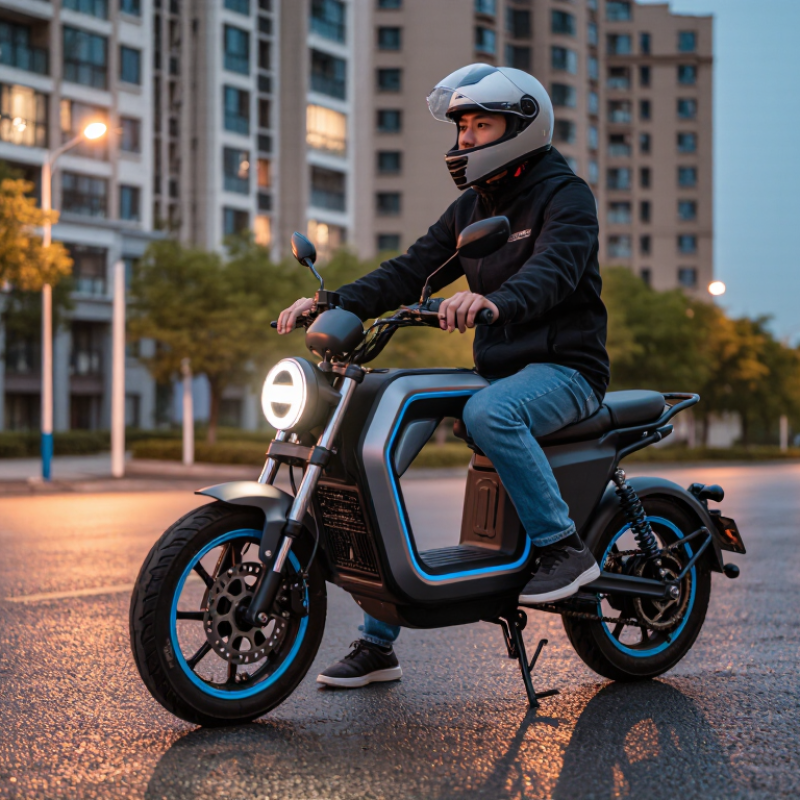
A lightweight electric motorcycle is defined by more than a low number on a spec sheet. Its total weight affects how easily a rider can steady it at a stop, move it into a narrow garage, or guide it through a slow turn. Battery placement matters, too. A compact battery mounted low can make a bike feel more balanced than its weight alone suggests. Small detail. Check the listed curb weight, including the battery, rather than relying on a dry-weight figure.
There is no single weight cutoff that makes every electric motorcycle “lightweight.” Rider height, strength, and experience change what feels manageable. A short test ride can reveal whether the handlebars feel awkward or the bike tips heavily when parking. Range, braking, tire grip, and frame stiffness still matter; a lighter build should not come at the expense of predictable control. I find the label a little vague, and that is worth remembering. A modest machine may feel nimble on a quiet neighborhood road but less settled over rough pavement or at higher speeds. Compare real specifications, then judge how the bike fits your daily routes and storage space.
When comparing Chinese electric motorcycles, begin with the route, not the brochure. A short urban commute has different demands from steep roads or longer rides. Check battery capacity, then compare claimed range with rider weight, speed, hills, and cold-weather use. Published figures rarely reflect every condition. Ask how range was measured.
Weight affects more than portability. A lighter machine can feel easier to park and maneuver, but a very light frame may feel unsettled on rough pavement. Check the frame finish, suspension response, and brake feel in a safe test ride. Small details matter: a loose control or poorly placed charging port can become irritating each day. Not glamorous, but useful.
Look closely at the battery warranty, replacement cost, and availability of common parts. Ask whether the charger and battery have clear safety documentation, and how service is handled after purchase. A low purchase price may not mean low ownership cost. I would also check payload capacity, tire availability, and whether the display remains readable in sunlight. One thing is easy to miss: comfort. Seat shape and handlebar reach can matter more than a small difference in advertised range.
Notable lightweight electric motorcycles from China generally fall into three practical designs: compact city commuters, step-through utility models, and small-wheel urban scooters. City commuters often use narrow frames, modest battery packs, and simple displays. They suit short trips and tight parking spaces. Step-through models make mounting easier and can carry a small rear rack. Small-wheel scooters feel nimble, though rough pavement can make their ride less comfortable.
The International Energy Agency’s Global EV Outlook 2024 estimates that electric two- and three-wheeler sales reached about 10 million worldwide in 2023, with China the largest market. That scale supports broad model variety, but a large market does not guarantee every specification is dependable.
Range is tricky. Compare battery capacity, rated motor output, vehicle weight, and charging time; then check whether the claimed range reflects realistic speeds and temperatures. A lightweight frame may help handling, but a small battery can mean frequent charging.
For daily use, inspect the brake type, tire width, lighting, and battery-removal method. A removable pack is convenient in an apartment, but carrying it upstairs can still be awkward. Ask for test documentation and warranty terms, and confirm the vehicle’s classification with the seller. Specifications vary by configuration, so online figures deserve a second look.
The best choice depends on your route, not the largest number in a product listing. Compare the quoted range with your daily distance, then leave a practical reserve. Published figures may come from controlled tests; real range can shrink with higher speeds, hills, cold weather, or a passenger. A short commute is different.
Check both rated and peak power. Rated power better reflects sustained performance, while peak power describes brief output. Also compare curb weight with the battery installed. A lighter motorcycle may feel easier to park and maneuver, but a smaller battery can mean more frequent charging. Details matter.
For price, include delivery, setup, protective equipment, and warranty coverage, not just the advertised figure. Ask for written specifications and confirm what the warranty covers. I would not choose from a range claim alone; honestly, that number can be easy to misread. A balanced model with enough real-world range, manageable weight, and clearly stated service support may suit everyday riding better than a more powerful, heavier option.
The best lightweight electric motorcycle depends less on headline speed than on where and how you ride. Measure your daily route, including hills, stop-and-go traffic, and the distance between reliable charging points. Short commute? Keep it simple. Check the bike’s actual weight, seat height, and turning feel, not just its catalog figures. Those details matter when parking in a narrow garage or moving the bike by hand.
Judge battery range with a safety margin. Cold weather, a heavier rider, steep roads, and frequent acceleration can all reduce usable distance. Ask about battery capacity, charging time, and whether the battery can be removed; confirm these details in writing. A claimed range is not a promise. Compare braking performance, tire size, suspension, and lighting, especially if your roads are rough or wet.
For mixed city use, a moderate-power model with stable handling may be more practical than the lightest, fastest option. If you carry groceries or a passenger, check payload limits and rear-seat comfort. Test ride it. Notice low-speed balance, control placement, and any rattles over bumps. Ask about nearby parts, warranty coverage, and battery replacement costs. I would favor slightly more range than I expect to need. It costs extra, but may reduce daily charging stress.
Start with your route, not the brochure. Short city trips and steep roads place different demands on range and handling.
Treat it as an estimate. Rider weight, speed, hills, and cold weather can reduce the distance between charges.
Notice how the brakes respond, how the suspension handles rough pavement, and whether the controls feel secure. Small details matter.
It may be easier to park and maneuver, but a very light frame can feel unsettled on rough roads.
Compact commuters can fit tight parking spaces. Step-through models make getting on easier, while small-wheel scooters can feel nimble.
Check battery capacity, charging time, warranty terms, replacement cost, and parts availability. A removable pack helps, though carrying it upstairs can still be awkward.
Check payload capacity, tire availability, lighting, brake type, and display readability in sunlight. Seat shape and handlebar reach matter, too.
Not necessarily. Ask about service, common replacement parts, battery support, and clear safety documentation; I would not skip these checks.
A lightweight electric motorcycle is designed to balance easy handling and everyday practicality. Its low weight can make parking, maneuvering through traffic, and short urban trips more comfortable, while battery capacity, motor output, braking, and build quality all shape the riding experience. Comparing models from China means looking beyond headline specifications: consider real-world range, charging time, carrying capacity, comfort, safety features, and the kind of roads you expect to travel.
There is no single best lightweight electric motorcycle for every rider. A compact, affordable model may suit short commutes, while a higher-powered option with a larger battery may be more useful for longer journeys. Compare range, power, weight, and price as a complete package, and allow for differences in riding conditions that can affect performance. Choosing the right model ultimately depends on your budget, commute, storage needs, and preference for nimble handling or greater distance between charges.